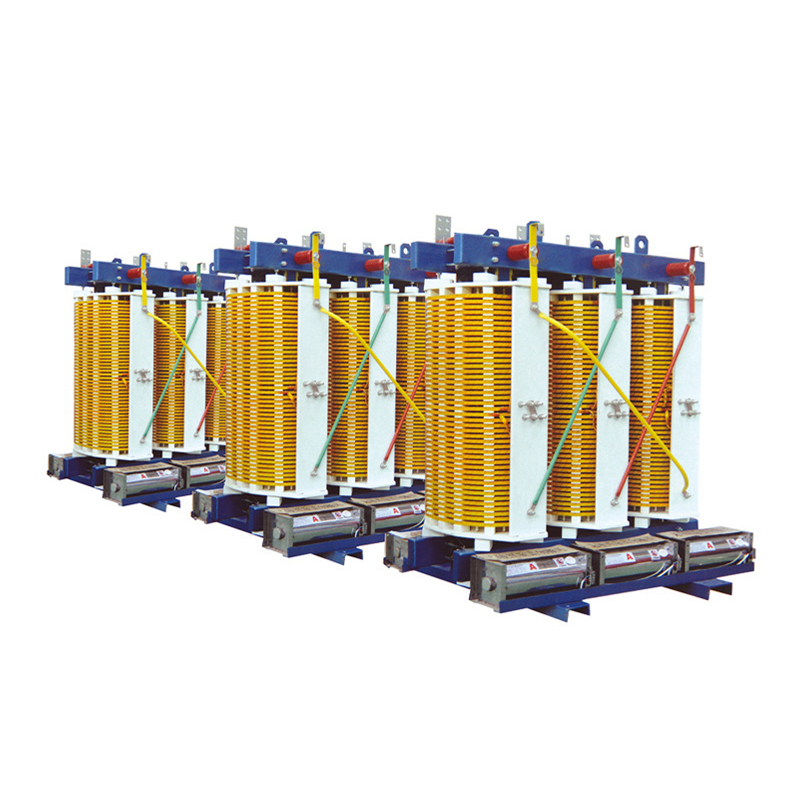
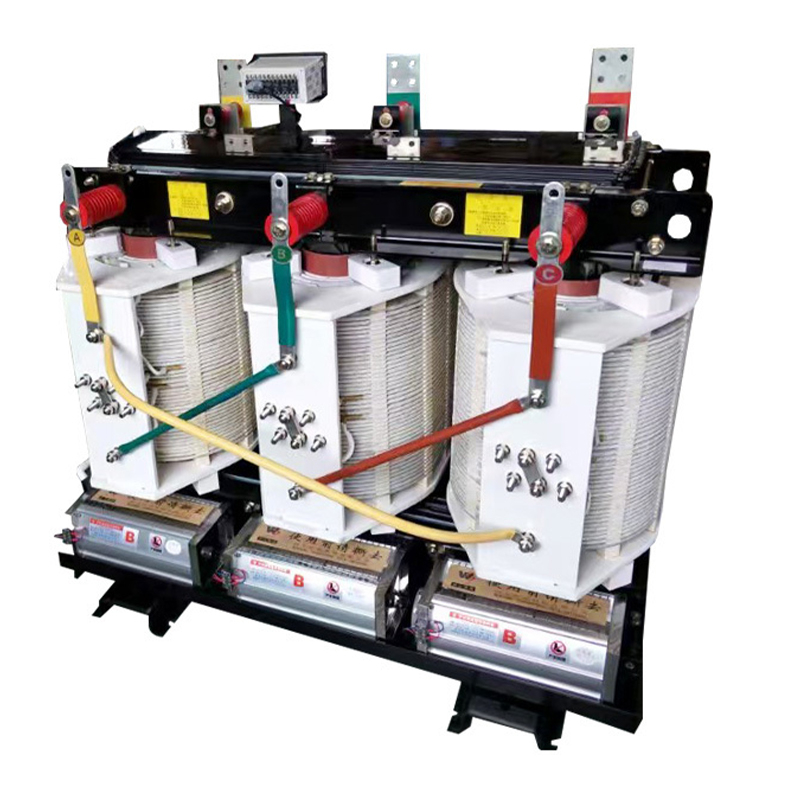
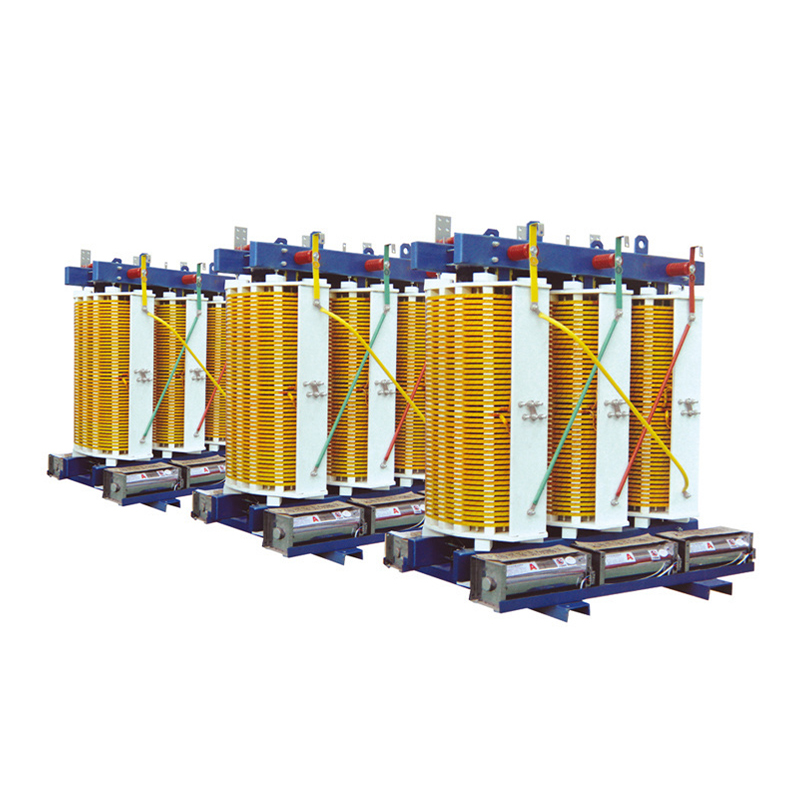
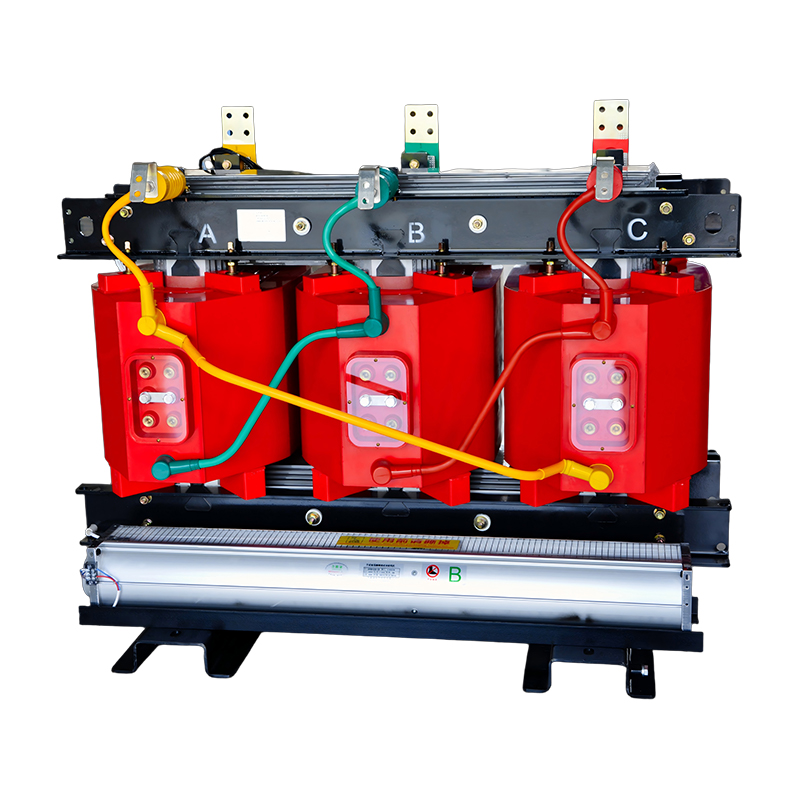
SG(B) Series Non-Encapsulated H Class Dry Type Transformer

Home / Products / Dry Type Transformers / SG(B) Series Non-Encapsulated H Class Dry Type Transformer

  • Product Details
  • FAQ
Parameter
Standard / Optional Range
Product Type
SG(B) Series Non‑Encapsulated H Class Dry Type Transformer
Capacity Range
30KVA–5000 kVA
Voltage Level
6KV–35 kV
Insulation Class
H Class, Heat Resistance Level 180℃
Winding Conductor
Copper or Aluminum
Cooling Method
AN; AF Optional with Automatic Fan Control
Frequency
50 Hz / 60 Hz
Monitoring Accessories
Temperature Controller, PT100, Alarm/Trip, Fan Control and Integrated Monitoring Optional
Design Standard
IEC 60076, GB/T 10228 or Agreed Project Specifications

1. What is the difference between SG(B) and SC(B) dry type transformers?
SG(B) Series Non-Encapsulated Dry Type Transformer adopts an open winding structure, allowing direct airflow through the windings for better heat dissipation and easier maintenance.
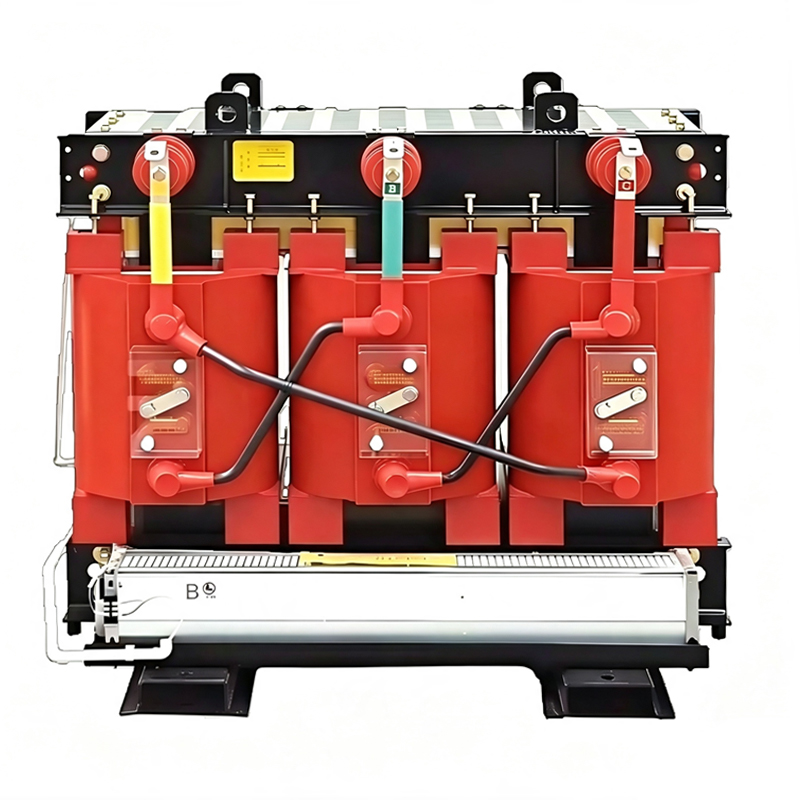
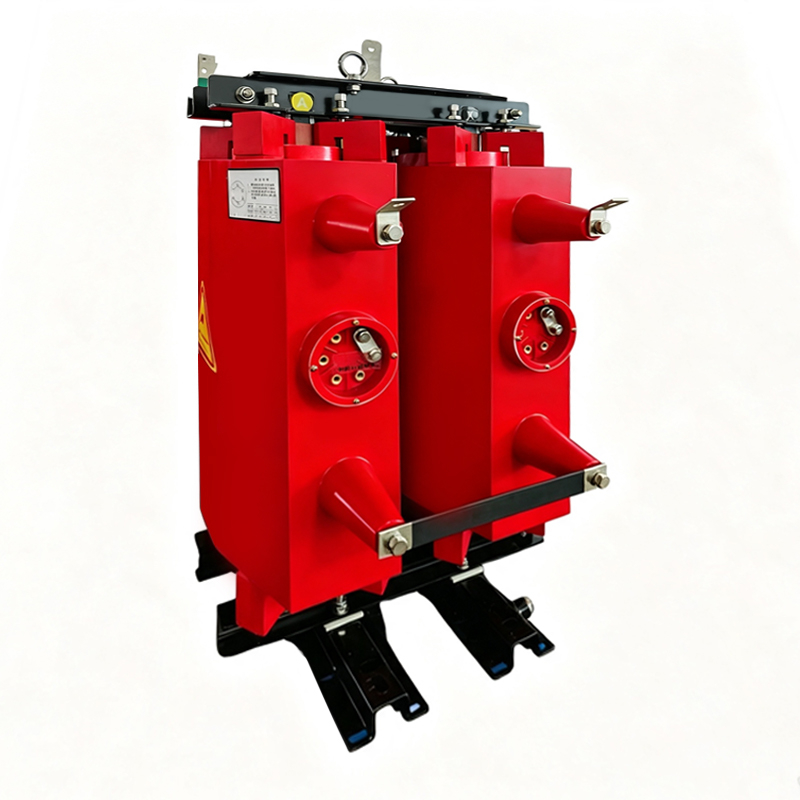
SC(B) Series uses epoxy resin cast windings, providing stronger protection against moisture, dust, and pollution.
SG(B) is commonly considered for high-temperature, heavy-load, and industrial applications, while SC(B) is often selected for environments requiring stronger insulation protection.

2. What does H Class insulation 180℃ mean?
The 180℃ value represents the heat resistance class of the insulation system.
It does not mean that the transformer winding should operate continuously at 180℃. Actual operating temperature depends on load conditions, ambient temperature, cooling method, and design limits.

3. Where can SG(B) Series transformers be used?
The transformer is suitable for industrial indoor power distribution applications, including metallurgy, steel, mining, cement, petrochemical, rail transit, marine, and port projects.
High temperature, high altitude, and special environmental conditions should be confirmed during the design stage.

4. Is the open winding structure more sensitive to dust and moisture?
Yes.
The open structure improves cooling performance and maintenance accessibility but requires proper environmental evaluation.
For dusty, humid, corrosive, or condensation-prone environments, suitable protection measures, cleaning schedules, and environmental designs should be considered.

5. What maintenance is required?
Routine maintenance includes:
Cleaning windings and ventilation channels
Checking connections and grounding
Inspecting insulation surfaces and clamping parts
Checking fans and sensors
Reviewing temperature records
Performing electrical inspections according to site requirements
No oil sampling or oil replacement is required.

6. How are high temperature and high altitude projects handled?
High temperature and high altitude conditions affect heat dissipation and insulation coordination.
The design should consider temperature rise, insulation distance, cooling method, ventilation conditions, and other project-specific requirements.

  • Product Features

H Class Insulation and High Temperature Capability
The H Class Dry Type Transformer uses an insulation system with a heat resistance level of 180℃.
The 180℃ rating represents the insulation heat resistance class and does not mean the winding should continuously operate at this temperature. Actual operating temperature depends on ambient conditions, temperature rise limits, hotspot temperature, load profile, and cooling design.
This structure provides additional thermal design capability for high-temperature and heavy-load operating environments.

Open Winding Structure and Efficient Heat Dissipation
The Non-Encapsulated Dry Type Transformer adopts an open winding structure, allowing air to directly pass through the winding surface and ventilation channels.
Compared with Cast Resin Dry Type Transformers, the open structure improves natural airflow and makes cleaning and visual inspection easier during maintenance.
The transformer supports AN natural cooling under normal conditions and optional AF forced air cooling with temperature-controlled fan operation for applications requiring enhanced heat dissipation.

Mechanical Strength and Short-Circuit Performance
The windings can be manufactured with copper or aluminum conductors and combined with glass fiber reinforced insulation, impregnation processes, and mechanical clamping structures.
The short-circuit withstand capability depends on electromagnetic design, winding structure, support system, and manufacturing consistency. Final performance shall be confirmed according to approved technical documents and agreed testing requirements

Lower Maintenance Requirements and Environmental Adaptability
The SG(B) Series Dry Type Transformer does not contain insulating oil, eliminating oil sampling, oil filtration, and oil leakage management.
The open structure allows easier cleaning and inspection, making it suitable for industrial environments where maintenance accessibility and continuous operation are important.

  • Application Fields
Application Area
Typical Applications
Industries Served
Metallurgy & Steel Industry
Steel production lines, electric furnaces, heavy industrial power systems, high-temperature operating environments
Steel manufacturers, metallurgy companies, industrial EPC contractors
Mining, Cement & Heavy Manufacturing
Mining facilities, cement plants, large motor systems, industrial production equipment
Mining companies, cement manufacturers, industrial project owners
Petrochemical & Industrial Projects
Industrial power distribution, special environment projects, continuous production systems
Petrochemical companies, EPC contractors, electrical system integrators
Rail Transit & Infrastructure
Medium voltage distribution, transportation facilities, auxiliary power systems
Rail transit companies, infrastructure contractors, engineering companies
Marine & Port Equipment
Ship power systems, port facilities, customized equipment integration
Shipbuilders, port operators, equipment manufacturers

  • OEM·ODM
Customization Module
Available Options
Electrical Design
Capacity, voltage ratio, frequency, vector group, impedance, tap range, loss limits, temperature rise, load requirements
Mechanical Design
Dimensions, terminal direction, cable or busbar connection, inlet/outlet position, wheels, lifting points, anti-vibration base, enclosure
Materials & Accessories
Copper/aluminum winding, H Class insulation, temperature controller, PT100, fans, alarm/trip contacts, anti-condensation and corrosion protection
Environmental Adaptation
High temperature, high altitude, high humidity, salt fog, dust, corrosive gas and seismic condition evaluation
System Integration
Interface coordination with MV/LV switchgear, box substations, busbars, protection and monitoring systems
Branding & Documents
OEM nameplate, color, language, labels, manuals, drawing templates, packaging marks and technical submission documents

  • Why Choose Us

Complete Transformer Product Capability
Jiangsu Xinxin Electric provides transformer solutions including:
SG(B) Series Non-Encapsulated H Class Dry Type Transformer
Cast Resin Dry Type Transformers
Dry Type Transformers
Oil Immersed Transformers
Box substations
Related power distribution equipment
This allows EPC contractors, OEM customers, distributors, and system integrators to coordinate different transformer solutions through one supplier.

Manufacturing and Quality Control
Production is managed through controlled manufacturing processes, including:
Technical and contract review
Incoming material inspection
Core processing and assembly
Winding manufacturing
Impregnation and curing process control
Transformer assembly
Routine testing and final inspection
Key materials including silicon steel sheets, copper/aluminum conductors, H Class insulation materials, glass fiber materials, impregnation materials, and accessories are inspected according to technical requirements.

Quality control covers:
Material verification
Winding dimensions and connections
Insulation distance
Mechanical clamping
Temperature control wiring
Electrical routine testing
Final documentation review

Engineering Documentation and Export Support
Jiangsu Xinxin Electric supports international projects with technical documents including:
Technical data sheets
Assembly drawings
Electrical drawings
Nameplates
Test reports
Operation manuals
Packing documents
Documents can be prepared according to IEC, GB, customer specifications, and project approval requirements.

About Xinxin Electric

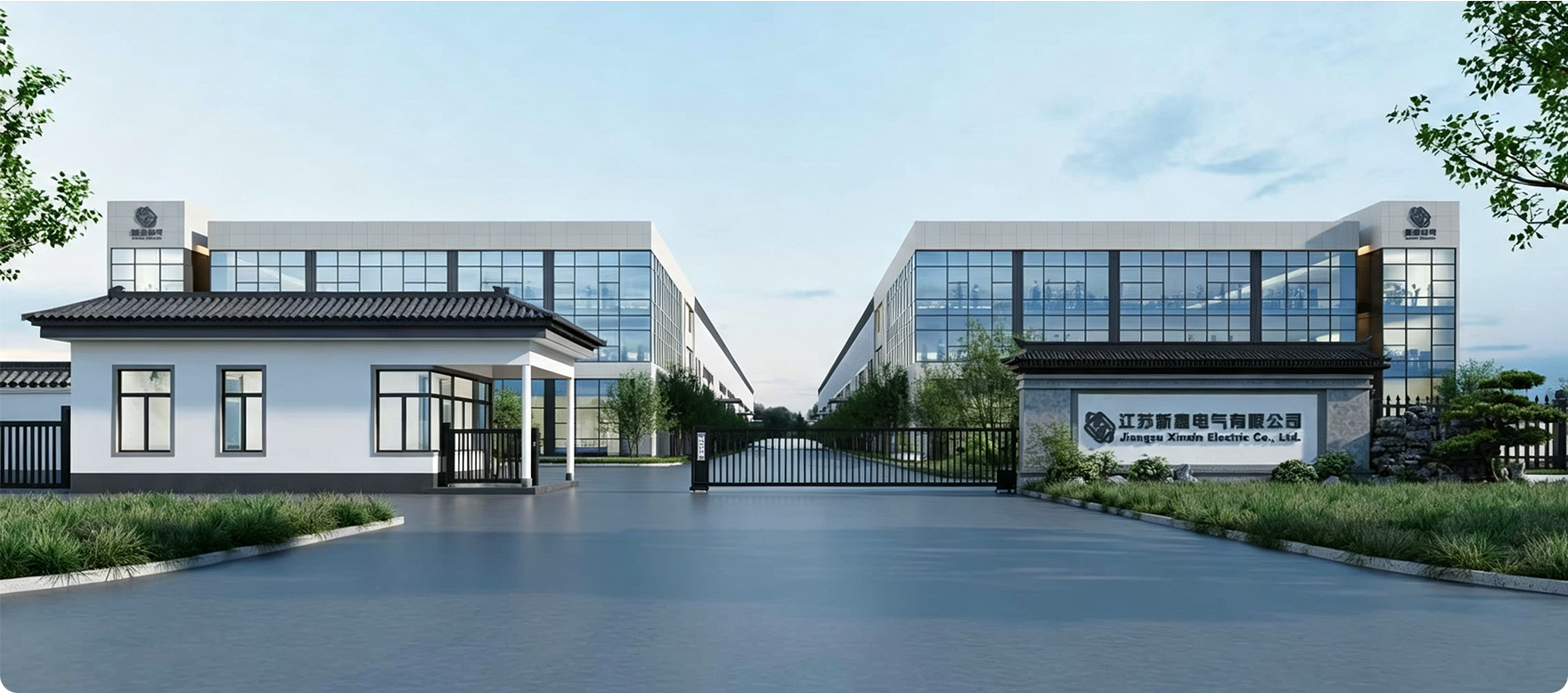
Xinxin Electric operates a 30,000 m2 manufacturing facility and specializes in transformers and prefabricated substations. With a commitment to quality and integrity, we provide equipment and technical support for power projects worldwide.
View More
  • 0

    Founded

  • 0+

    Annual Production Capacity

  • 0

    Exported Countries

  • 0+

    Projects Delivered

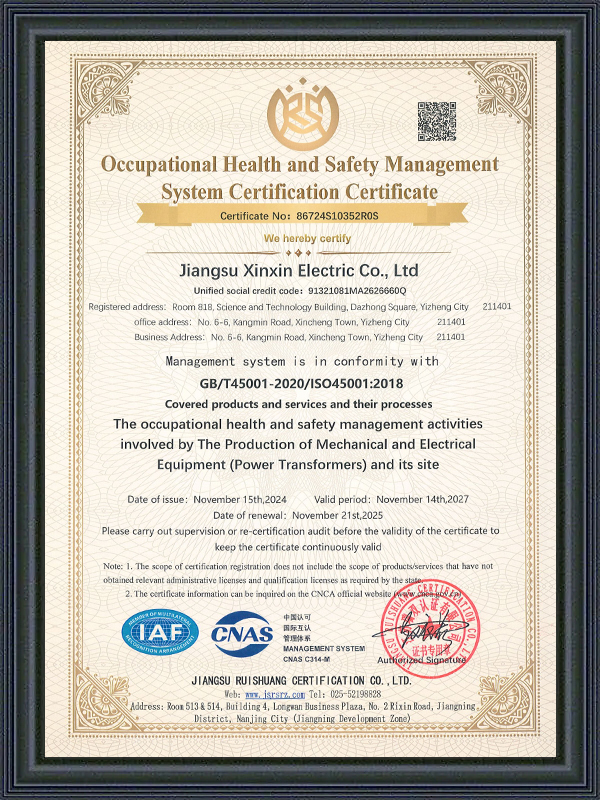
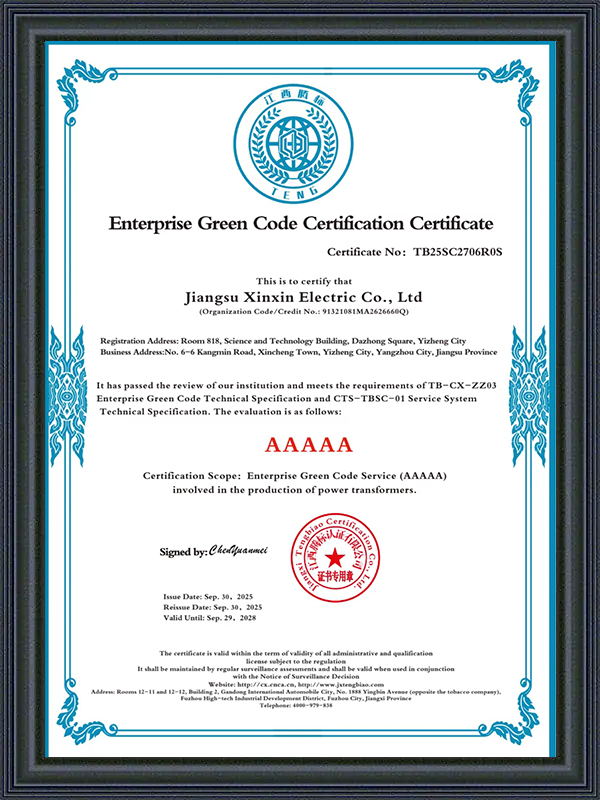
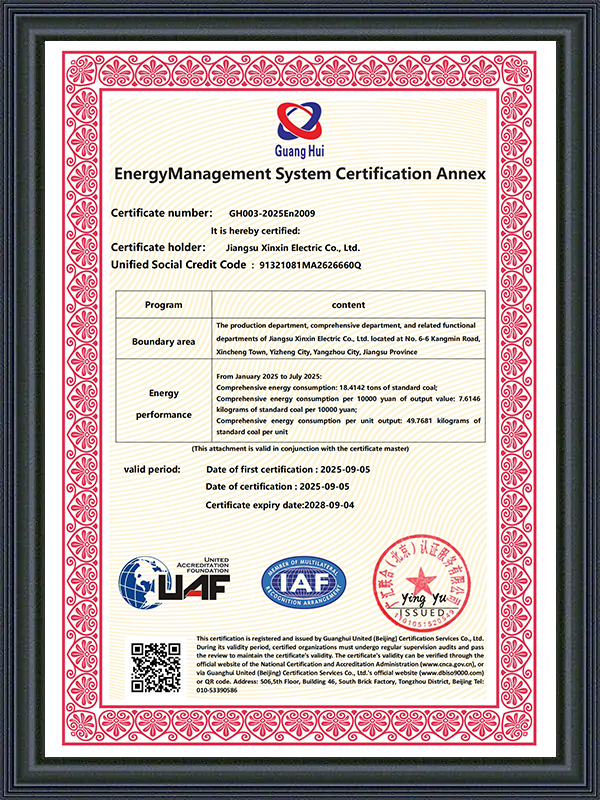
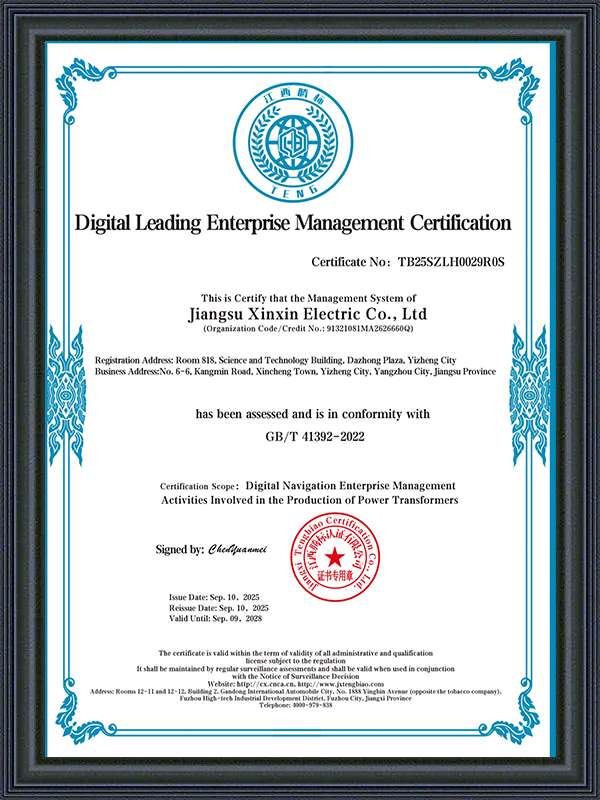
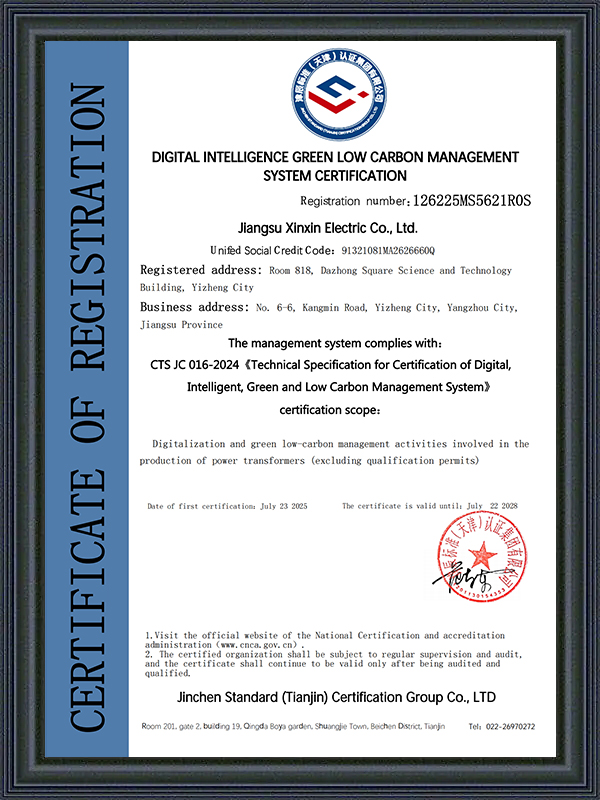
Certificate Of Honor

News Center

View All News
  • 2026/08.25 Exhibitions

    Jiangsu XinXin Electric Co., Ltd. Shines at the 2025 Indonesia International Power Exhibition—Showcasing China's Smart Manufacturing Power and Supporting Indonesia's Green Energy Transition

    From September 17 to 20, 2025, Mr. Zhan Chungen, Chairman of Jiangsu XinXin Electric Co., Ltd., along with Sales General Manager Mr. Wang Hua and their team, attended the "Electric & Power Indonesia 2025," the International Exhibition on Power Generation, Renewable Energy, and Electrical Equipment held in Jakarta, Indonesia. This year’s event focused on upgrading Southeast Asia’s power infrastructure and advancing renewable energy development. This exhibition highlights our company's latest Energy‑efficient transformer series These products include the S14‑M, S20‑M, and S22‑M series oil‑immersed power transformers, as well as the SCB14 and SCB18 series dry‑type transformers, among others. XinXin Electric's transformer products feature High protection level and excellent thermal design, capable of adapting to Indonesia's hot and humid environmental conditions. Several Indonesian power industry experts made a special trip to the XinXin Electric booth to engage in in‑depth technical exchanges and discuss potential collaborations. This year's exhibition holds significant strategic importance for XinXin Electric in expanding into the Southeast Asian market. Indonesia, as the largest economy in Southeast Asia, is actively promoting a transformation of its energy structure. Chairman Zhan Chungen stated during the exhibition: " Southeast Asia is a key component of our globalization strategy. "We will contribute China's strength to Indonesia's power development, leveraging advanced technology and reliable product quality." Xinxin Electric also plans to leverage this exhibition to connect with power equipment importers, distributors, and agents from Indonesia and Southeast Asia, discussing new business opportunities in this rapidly growing industry. Leveraging this exhibition, XinXin Electric has further expanded its brand presence in the Southeast Asian market, laying a solid foundation for deeper penetration into the local market in the future.
  • 2026/08.25 Company News

    Deepening School‑Enterprise Cooperation to Cultivate Industrial Talents — Jiangsu XinXin Electric Co., Ltd. Receives Visiting Leaders from Nanjing University

    Jiangsu XinXin Electric Co., Ltd. (hereinafter referred to as "XinXin Electric") has always attached great importance to industry‑university‑research collaborative innovation, as well as the recruitment and cultivation of high‑quality talents. On June 12, the company was honored to receive a delegation from Nanjing University, led by Professor Zhu Songqing, Member of the Standing Committee and Vice‑President of the University Party Committee. Both sides held fruitful exchanges on deepening school‑enterprise cooperation and advancing the integration of production and education. During the on‑site exchange, Mr. Zhan Chungen, Executive Director of XinXin Electric, gave the delegation led by Vice‑President Zhu Songqing a detailed introduction to the company’s development history, core business layout, advanced production processes, and technological strengths in the R&D and manufacturing of new‑energy electrical equipment. Mr. Zhan highlighted the company’s urgent demand for and long‑term planning of university talents. He expressed sincere expectations for further in‑depth and extensive substantive cooperation with Nanjing University in key areas, including close school‑enterprise integration, joint construction of high‑level internship and training bases, and joint incubation of innovation and entrepreneurship projects. Mr. Zhan stated that XinXin Electric’s development relies on innovation and talent support. Universities serve as an important source of talent and innovation, promising broad prospects for bilateral cooperation. After the briefing, Vice‑President Zhu Songqing spoke highly of XinXin Electric’s industry standing and achievements. He introduced Nanjing University’s disciplinary features, industry‑university‑research cooperation foundation, as well as student employment and entrepreneurship work. Vice‑President Zhu noted that the university will give full play to its disciplinary advantages and industry influence, integrate scientific research and talent resources with industrial resources, and align them with XinXin Electric’s technical strengths to jointly build a high‑level platform for talent training and innovative practice. He emphasized that this initiative aims to implement the integrated development strategy of education, science & technology and talent, so as to boost the sound development of the local economy and society. Vice‑President Zhu’s positive response has boosted XinXin Electric’s confidence in future cooperation. This high‑level exchange marks an important step for XinXin Electric to deepen its strategic partnership with universities. The company firmly believes that close cooperation with Nanjing University will effectively expand talent recruitment channels, optimize its talent structure, accelerate the transformation of scientific and technological achievements, and enhance its core competitiveness. It will also contribute “XinXin” strength to local industrial upgrading and economic growth. XinXin Electric will keep seizing opportunities and looks forward to conducting pragmatic multi‑dimensional and in‑depth cooperation with universities, jointly opening a new chapter for win‑win school‑enterprise collaboration.
  • 2026/08.25 Industry News

    How to Install the Transformer

    1. Construction Prerequisites (1) Drawings shall be reviewed, and detailed operating instructions shall be prepared and approved in accordance with the manufacturer’s technical data. (2) Construction quality for works related to box‑type transformer installation shall comply with current national codes for construction and acceptance of building works. (3) Positions of embedded parts and pre‑buried cable conduits shall satisfy design requirements, and all embedded parts shall be securely fixed. 2. Construction Preparation 2.1 Transformer Foundation Inspection (1) Inspect the construction quality of the transformer foundation and fill in the inspection record sheet. The record shall be signed and confirmed by all relevant parties. Any defects found shall be reported and rectified promptly. (2) Carefully verify the horizontal and longitudinal axis dimensions of the transformer foundation as well as the positions of pre‑buried conduits, and cross‑check against drawing dimensions. Proceed with subsequent work only after all dimensions are confirmed correct. 2.2 Transformer Unpacking Inspection (1) Upon arrival, the transformer shall be unpacked and inspected jointly by representatives of the owner, supervisor and manufacturer. (2) Measure and record the reading of the shock recorder before unloading; the impact value shall be less than 3G. (3) Inspect the transformer exterior for damage and confirm complete paint finish, and keep relevant records. (4) Check internal components of the transformer for displacement, contamination and other abnormalities. 3. Transformer Positioning & Installation (1) Mount the channel‑steel foundation onto embedded parts. Perform levelling and alignment. Weld the channel‑steel foundation firmly to embedded parts. Remove welding slag from welds and apply anti‑corrosive paint. (2) After hoisting the fan unit, hoist the transformer directly onto the foundation, then use jacks for levelling and alignment. (3) Connect the transformer to the foundation following the fixing method (bolted connection or welding) specified by the manufacturer. (4) In case of split delivery, install the enclosure after the transformer is positioned and oriented. (5) Affix nameplates and clean the interior of the transformer cabinet. (6) Implement finished‑product protection prior to commencing subsequent procedures.
  • 2026/08.25 Industry News

    Do Dry‑Type Transformers Need to Be De‑energized?

    Dry‑type transformers are widely applied for local lighting, high‑rise buildings, airports, wharves, CNC machinery and other facilities. Simply put, a dry‑type transformer is a transformer whose core and windings are not immersed in insulating oil. Under what conditions shall a dry‑type transformer be immediately de‑energized? Fire occurs on the dry‑type transformer; the unit must be shut down immediately. Severe damage or discharge phenomena are observed on the transformer bushing. Stop operation immediately and arrange inspection by qualified professionals. Heavy smoke is emitted from the transformer. Abnormal, loud internal noise accompanied by explosion‑like sounds inside the transformer. Immediate shutdown is mandatory to prevent hazardous accidents. Abnormally high and continuously rising temperature under normal load and cooling conditions. When any of the above‑mentioned symptoms appear, the dry‑type transformer must be de‑energized right away. Continuing operation under such faults may cause personal injury as well as permanent damage to the transformer. These issues shall be addressed promptly. Exercise great caution when encountering any of the above‑mentioned conditions to avoid hazards. Yizheng Hongxin Transformer Co., Ltd. specializes in transformers, including dry‑type transformers, power transformers and oil‑immersed transformers. As a transformer manufacturer based in Jiangsu Province, our plant produces dry‑type transformers, power transformers and oil‑immersed transformers. The company is situated in the Economic Development Zone of Yizheng City, Jiangsu Province, within the Yangtze River Delta. It lies at the geographic heart of the Nanjing‑Zhenjiang‑Yangzhou Silver Triangle region. To its west is Nanjing, to its east Yangzhou; it borders the Yangtze River in the south and faces Zhenjiang across the river. Close to the Nantong‑Nanjing Expressway, it enjoys distinctly advantageous geographic conditions. Boasting years of experience in power transformer design and manufacturing, the company is equipped with advanced production facilities and mature manufacturing techniques. We deliver reliable‑quality products and maintain a solid market reputation. We look forward to cooperating with customers for mutual development and shared success!
Dry Type Transformers Industry knowledge