
 English
 Español
 русский
 Français
 Deutsch
 عربى
 中文简体

Beyond kVA: How Should Buyers Verify a Transformer Manufacturer
Transformer procurement involves more than comparing rated capacity and purchase prices. Two dry-type distribution transformers with the same kVA rating may differ in winding materials, insulation systems, manufacturing processes, temperature-rise performance, and testing arrangements. These differences can influence equipment suitability for industrial facilities, commercial buildings, and power distribution projects.
At Xinxin Electric, we believe that evaluating a transformer manufacturer requires a closer examination of production capabilities, technical documentation, quality management, and project support. As a professional electrical equipment manufacturer, we provide dry-type transformers, oil-immersed transformers, and prefabricated substations for different power distribution applications. Our approach is based on matching equipment specifications with actual project requirements rather than relying on rated capacity alone.
Several important checks can help international buyers assess a Dry Type Distribution Transformer Manufacturer before placing an order.
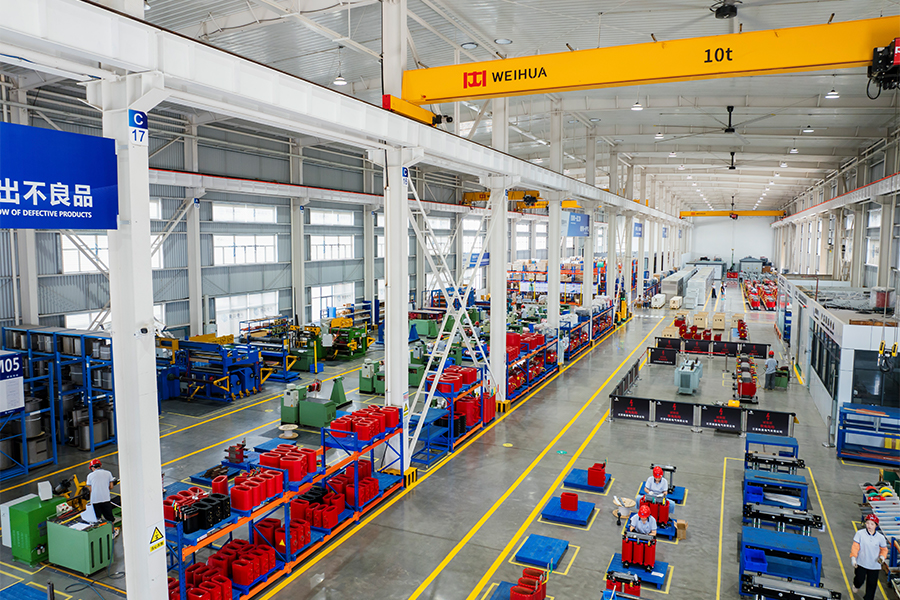
1. Examine Actual Manufacturing Capabilities
A supplier's product catalog does not necessarily show the full extent of its manufacturing capabilities. Buyers should understand whether the company has its own production facilities, assembly processes, technical personnel, and equipment testing arrangements.
We recommend reviewing the following aspects during supplier evaluation:
- Factory facilities: Check the production area, workshop organization, and available manufacturing equipment.
- Production scope: Confirm whether the manufacturer produces dry-type transformers, oil-immersed transformers, or other electrical equipment.
- Technical capabilities: Review the company's experience with different voltage classes, rated capacities, winding structures, and insulation arrangements.
- Testing resources: Identify which electrical tests can be completed internally and which require external laboratories.
At Xinxin Electric, our factory covers approximately 19,960 square meters, with a registered capital of RMB 108 million. Our manufacturing range includes SCB12, SCB13, SCB14, and SCB18 series dry-type transformers, as well as SCBH15, SCBH17, and SCBH19 series products.
These manufacturing and product capabilities provide buyers with useful information about our production scope. We encourage customers to review the specific model range and technical configuration relevant to their projects rather than relying solely on general company descriptions.
2. Verify Technical Specifications Beyond the kVA Rating
Rated capacity is an important transformer parameter, but it cannot independently determine whether a unit matches the electrical distribution requirements of a project. Buyers should examine the complete technical specification before comparing quotations.
Our recommended evaluation points include:
- Rated capacity: Confirm the required kVA rating based on the connected load and anticipated demand.
- Primary and secondary voltage: Check the input and output voltage levels against the project distribution network.
- Frequency: Confirm compatibility with the local 50 Hz or 60 Hz power supply.
- Vector group: Verify the winding connection and phase displacement required by the electrical system.
- Insulation class: Review the insulation system and applicable temperature limits.
- Impedance voltage: Compare the specified impedance with system short-circuit requirements and parallel operation conditions.
- Cooling method: Confirm whether natural air cooling or forced air cooling is required.
For example, a project requiring a 1,000 kVA dry-type transformer should also specify its voltage ratio, insulation level, connection group, impedance, cooling arrangement, and installation environment. These details provide a meaningful basis for comparing different manufacturers.
We recommend preparing a unified technical specification before requesting quotations. This helps ensure that different suppliers are pricing equipment with comparable electrical and mechanical requirements.
3. Request Test Reports That Match the Offered Transformer
Testing documentation provides direct evidence of transformer electrical characteristics and manufacturing quality. A general statement about compliance is not equivalent to a test report covering the actual equipment or its applicable design family.
For dry-type transformers, IEC 60076-11 is an important technical reference. Its testing framework distinguishes between routine tests, type tests, and special tests.
Buyers should understand the purpose of each category:
- Routine tests: Include winding resistance measurement, voltage ratio verification, phase displacement checks, short-circuit impedance and load loss measurement, no-load loss and current measurement, dielectric tests, and partial discharge measurement where applicable.
- Type tests: Include temperature-rise testing and lightning impulse testing, subject to the applicable standard and equipment requirements.
- Special tests: May cover sound level, short-circuit withstand, climatic conditions, environmental performance, fire behavior, and seismic requirements.
We recommend requesting the following documents during supplier qualification:
- Relevant routine test reports.
- Applicable type-test reports for the offered design.
- Special test evidence required by the project specification.
- Transformer nameplate information and approved technical drawings.
- Factory inspection records and quality documentation.
Document matching deserves particular attention. A test report should correspond to a relevant design, voltage class, insulation arrangement, and rating range. Buyers should also confirm whether the project requires testing at an accredited external laboratory or permits testing at the manufacturer's own facility.
4. Investigate Raw Materials and Production Quality Control
Transformer performance depends on more than the final assembly process. Core materials, winding conductors, insulation components, and connection structures all influence the electrical and thermal characteristics of the finished equipment.
At Xinxin, we consider material selection and manufacturing control important parts of our production process. Buyers evaluating our equipment can focus on several technical details:
- Magnetic core: Review the core material, lamination structure, and assembly quality.
- Winding conductors: Confirm whether copper or aluminum conductors meet the specified electrical requirements.
- Insulation materials: Check insulation type, thermal classification, and compatibility with the intended operating conditions.
- Connection quality: Examine conductor joints, terminal arrangements, and mechanical fastening methods.
- Assembly inspection: Review winding alignment, clearances, electrical connections, and overall manufacturing consistency.
Material certificates, incoming inspection records, and production inspection procedures can provide additional information about manufacturing control. Buyers should also clarify whether alternative materials are permitted under the original technical specification.
5. Check Quality Management Certificates and Their Scope
Quality management documentation helps buyers understand how a manufacturer organizes its production and inspection procedures. However, a certificate should be evaluated according to its issuing organization, validity period, registered company name, and covered business activities.
We suggest checking the following details:
- The exact legal name of the certified company.
- The manufacturing facility covered by the certificate.
- The certification scope and applicable activities.
- The validity period and issuing certification body.
- Whether the certificate can be independently verified.
ISO 9001 quality management certification and IEC product testing serve different purposes. The former concerns management processes, while the latter establishes technical requirements and verification procedures for electrical equipment. Buyers should not treat these documents as interchangeable.
We recommend checking the certificate details alongside actual production and testing records to obtain a more complete picture of the manufacturer's quality arrangements.
6. Compare Quotations Using a Unified Technical Checklist
A lower quotation does not necessarily represent a comparable equipment offer. Differences in winding materials, enclosure protection, accessories, temperature-rise limits, testing scope, and delivery documentation may account for price variations.
Before making a purchasing decision, we recommend comparing these items:
- Rated capacity, voltage ratio, and frequency.
- Winding conductor and magnetic core materials.
- Insulation class and temperature-rise requirements.
- Impedance voltage and no-load/load loss values.
- Enclosure protection rating and installation conditions.
- Included accessories and control components.
- Testing requirements and documentation package.
- Packaging arrangements, transportation conditions, and warranty terms.
A structured comparison helps purchasing teams identify specification differences before signing a contract. It also provides a clearer basis for technical clarification and commercial negotiations.
7. Clarify Factory Acceptance and Project Documentation
Supplier evaluation should continue beyond the quotation stage. Factory acceptance testing (FAT), inspection arrangements, packaging details, and final documentation should be discussed before production begins.
At Xinxin, we encourage customers to clarify their project documentation requirements during technical discussions. Depending on the contract, the inspection and acceptance plan may cover:
- Approved technical drawings and nameplate details.
- Routine test procedures and acceptance criteria.
- Customer-witnessed testing arrangements, where specified.
- Inspection records and final test reports.
- Installation instructions and operating documentation.
- Packing lists and transportation-related information.
Clear acceptance requirements help both parties understand the inspection scope and the documents required before shipment. International projects may also require specific labeling, language, certification, or destination-market compliance documents.
Work With Xinxin Electric on Your Transformer Project
Verifying a transformer manufacturer requires a complete assessment of production facilities, technical specifications, material control, testing capabilities, and project documentation. Rated capacity remains an important starting point, but purchasing decisions should reflect the entire electrical and operational specification.
At Jiangsu Xinxin Electric Co., Ltd., we manufacture dry-type transformers, oil-immersed transformers, prefabricated substations, and related electrical distribution equipment. Our product range covers different industrial and commercial power distribution applications, with configurations developed according to project requirements.
Whether your project involves a commercial building, industrial facility, distribution network, or prefabricated substation, our team can discuss the required capacity, voltage levels, insulation arrangements, technical standards, and installation conditions.
Preparing a transformer procurement specification? Contact Xinxin Electric with your technical requirements and project information. We can review the requested configuration, discuss applicable testing documentation, and provide an equipment proposal based on your power distribution needs.
-
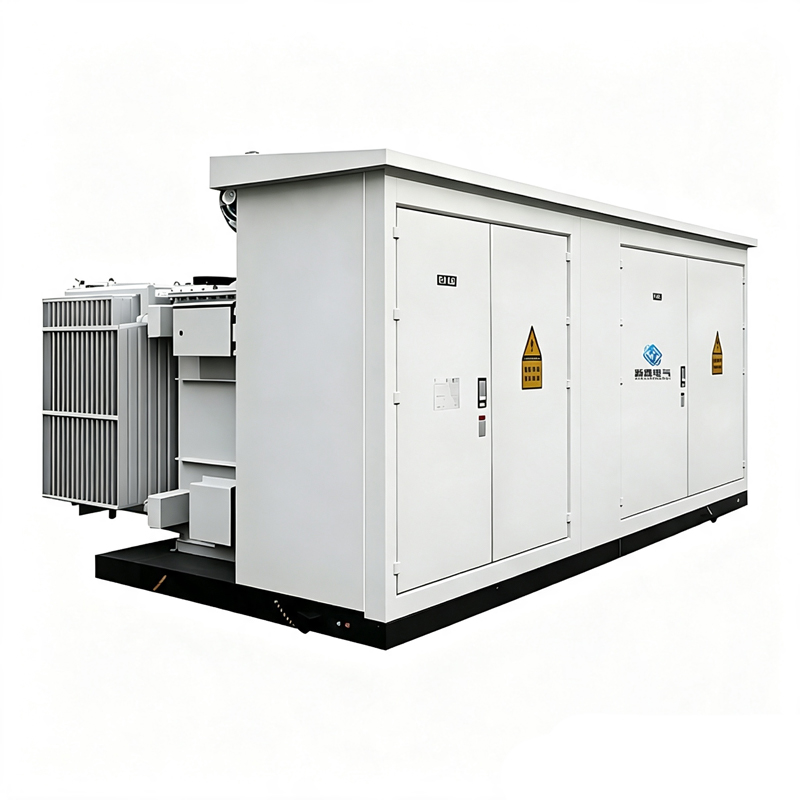 READ MORENew Energy Hua-type / Chinese-style Compact Substation
-
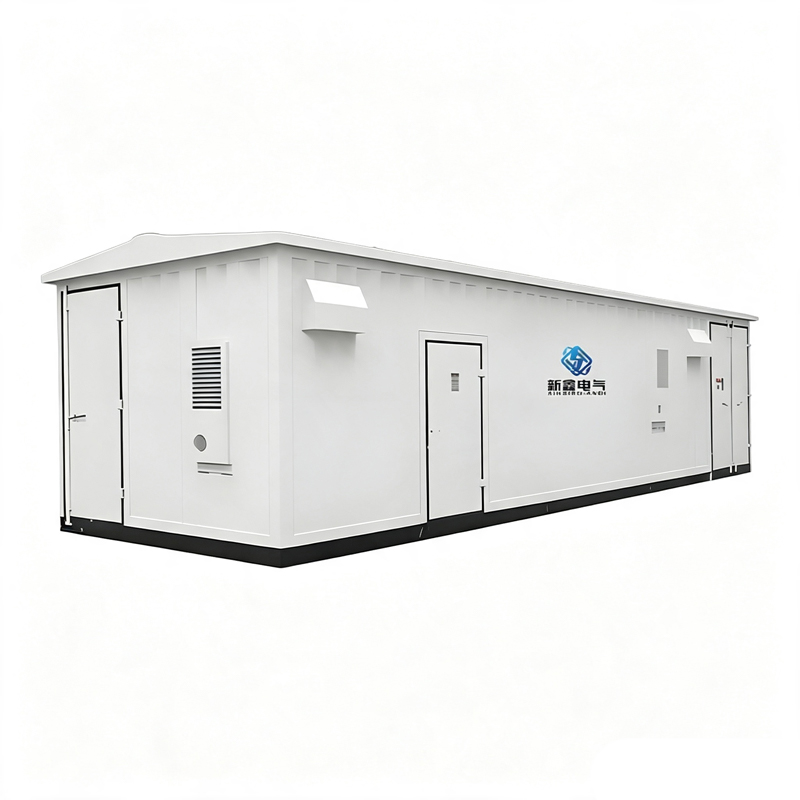 READ MOREPrefabricated Substation for Wind Power and Photovoltaic (PV) Applications
-
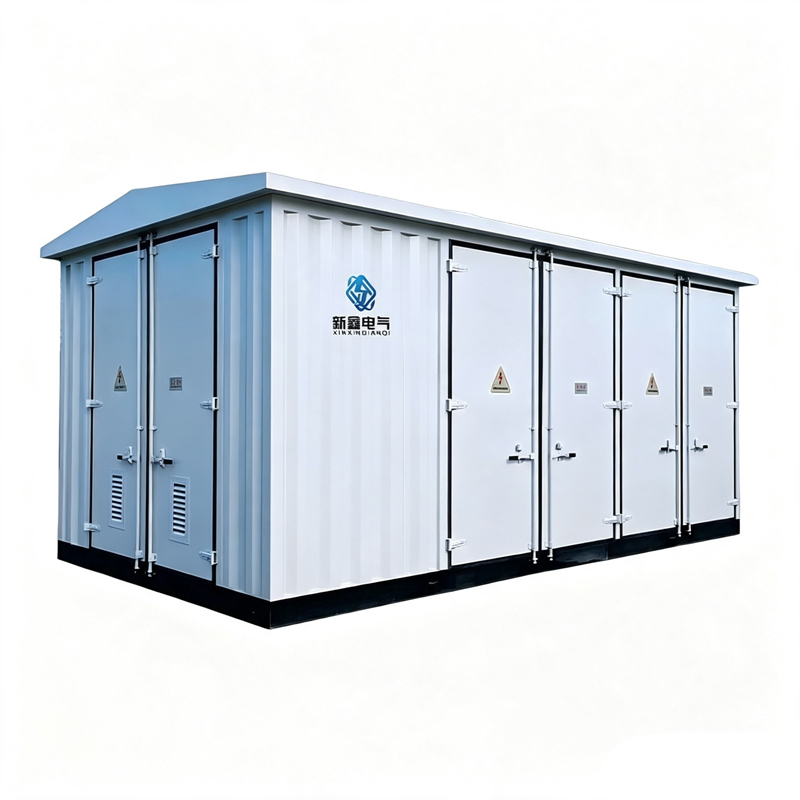 READ MOREEuropean-type Prefabricated Substation
-
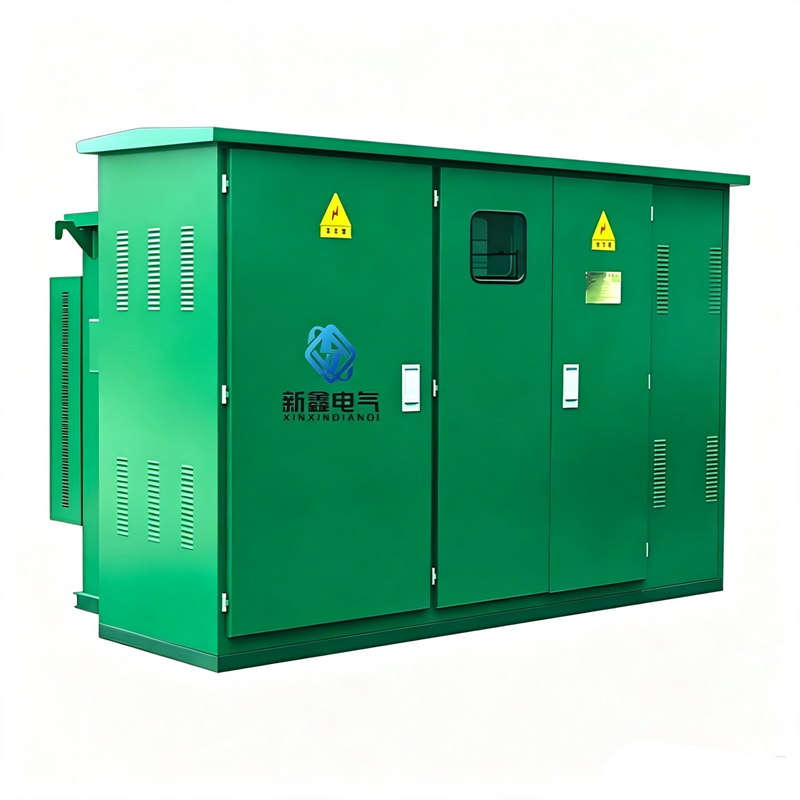 READ MOREAmerican-type Pad-Mounted Prefabricated Substation
-
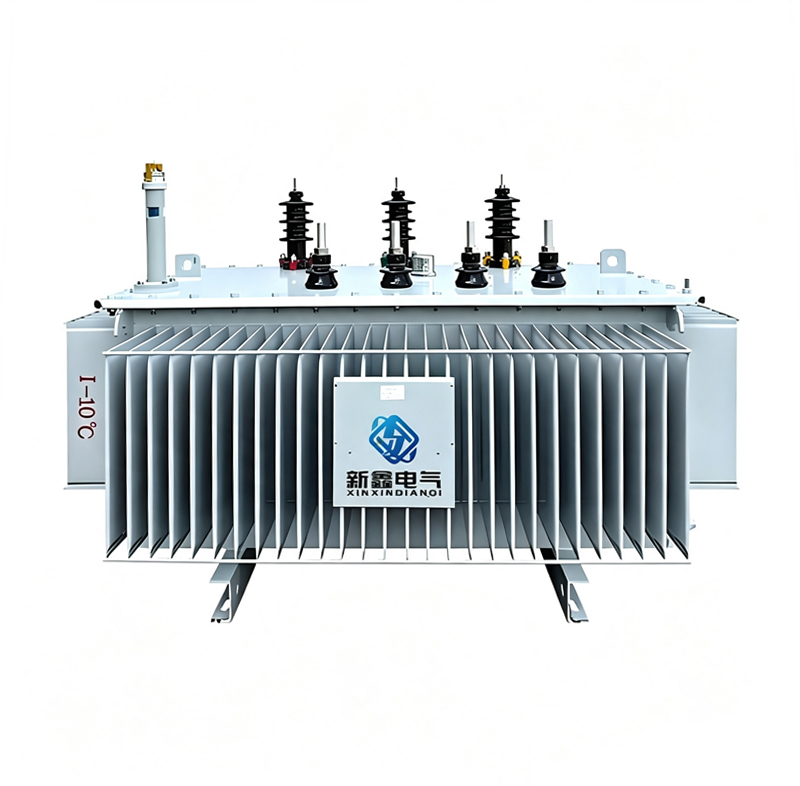 READ MORES(B)H Series Amorphous Alloy Oil Immersed Transformer
-
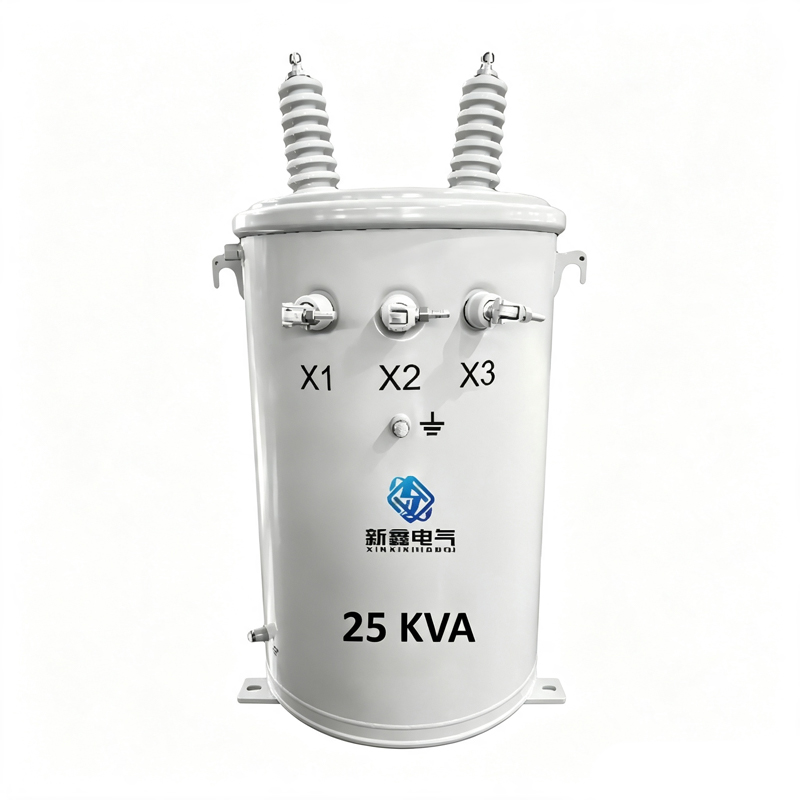 READ MORESingle Phase Pole Mounted Transformer
-
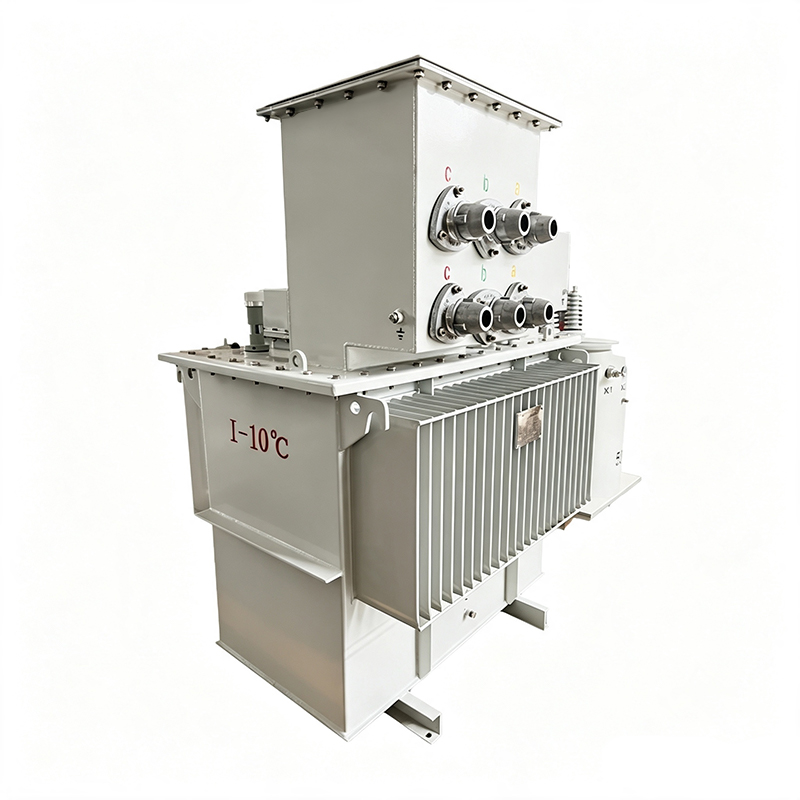 READ MORES-MD Series Underground Oil Immersed Transformer
-
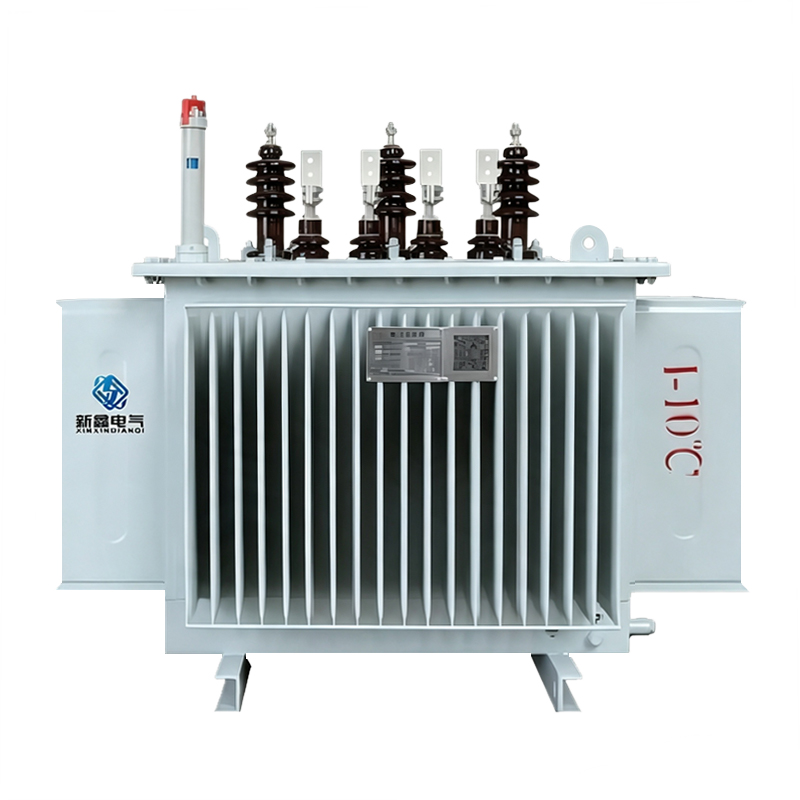 READ MORES Series Oil immersed Transformer
-
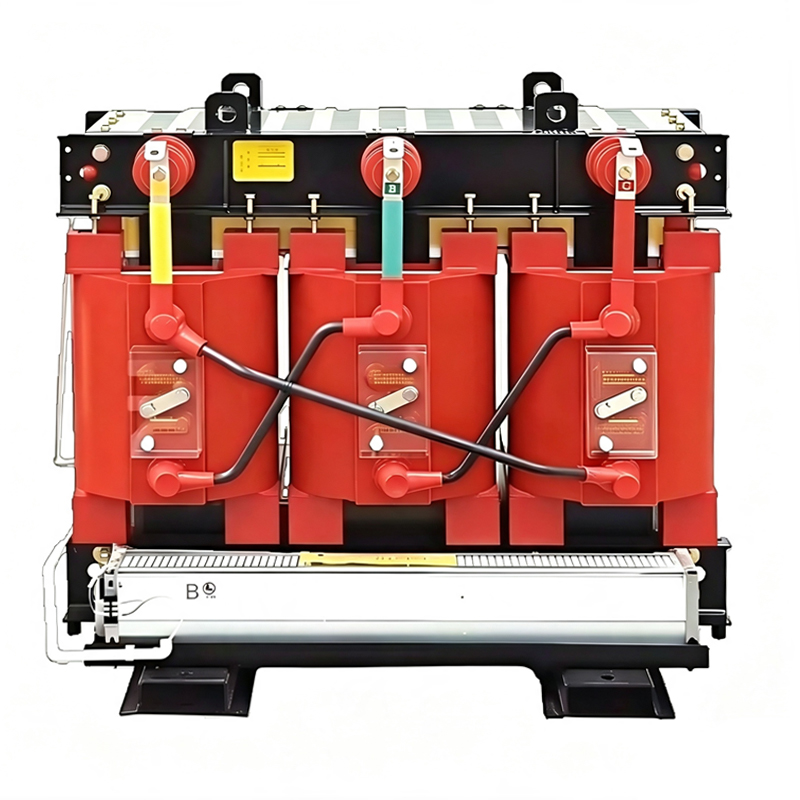 READ MORESC(B)H Series Amorphous Alloy Dry Type Transformer
-
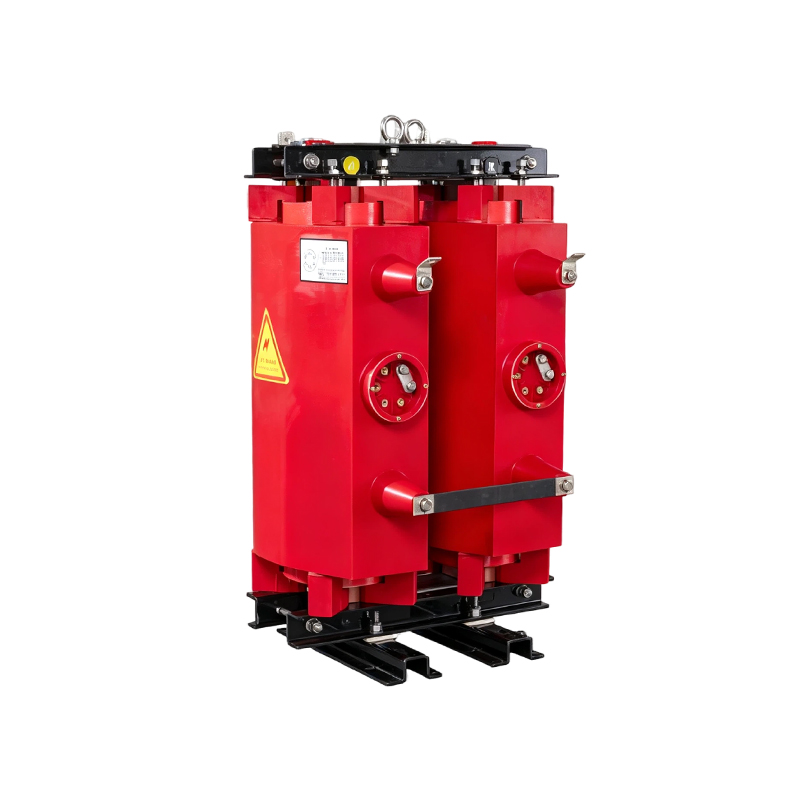 READ MOREDC Series Single Phase Dry Type Transformer
-
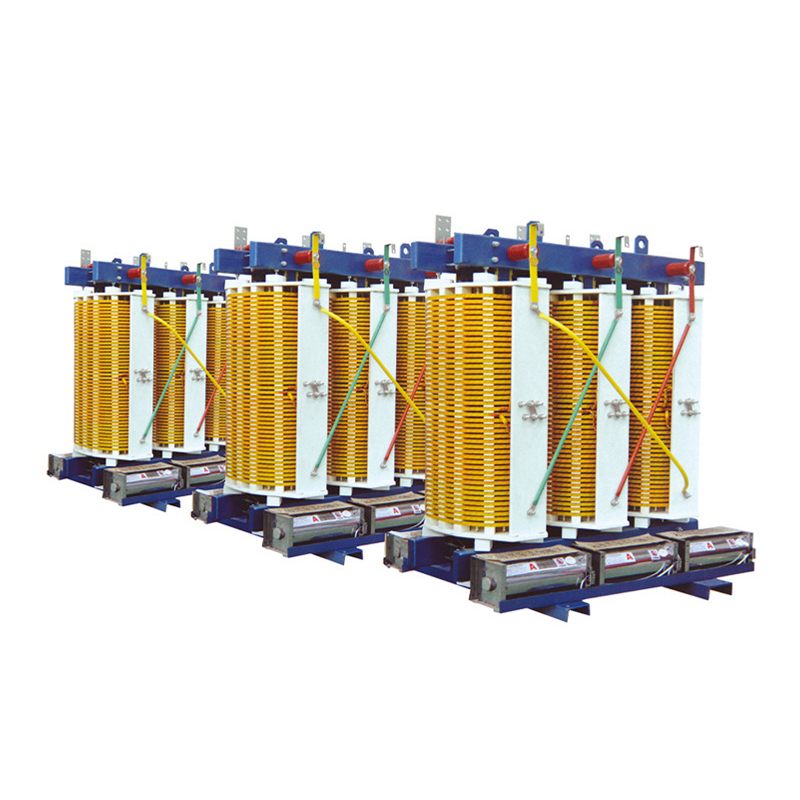 READ MORESG(B) Series Non-Encapsulated H Class Dry Type Transformer
-
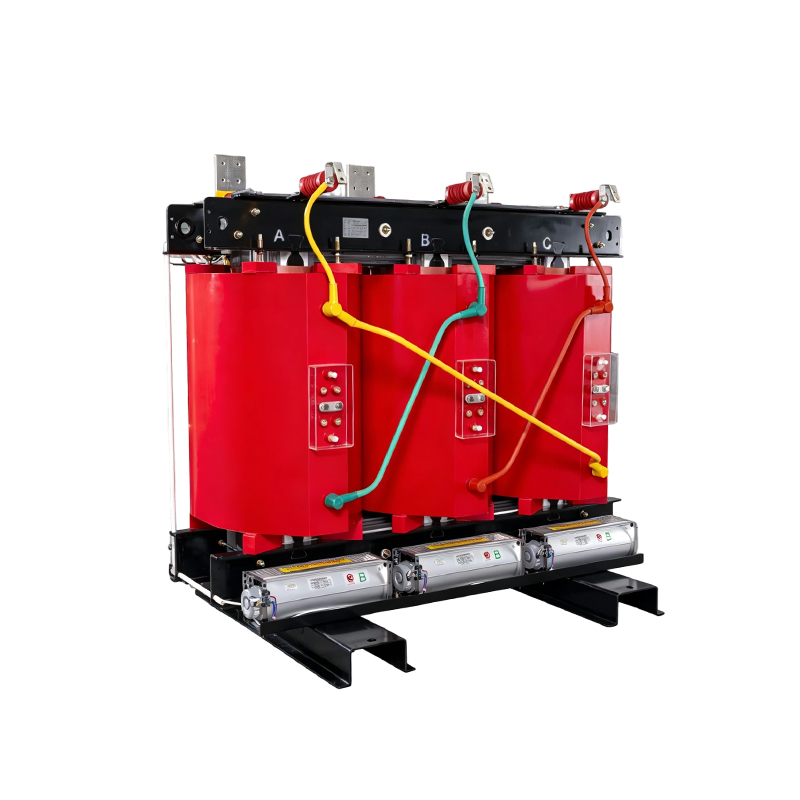 READ MORESC(B) Series Epoxy Resin Cast Dry-Type Transformer
Discuss Your Power Solutions
Whether you are an EPC contractor, electrical equipment distributor or project buyer,
you can send us
your technical parameters, drawings or purchasing requirements.
-

-
Product Categories
Dry Type Transformers Oil Immersed Transformers Substations -
Quick Links
Home Projects Manufacturing & Quality About Us News Contact Us -
Contact Us

Email: xinxin@xinxinelectric.com

Mobile: +86-13852525108

Telephone: +86-514-85811000

Whatsapp: +86-19707679478

No. 6-6, Kangmin Road, Yizheng City, Yangzhou, Jiangsu Province, China.
