
 English
 Español
 русский
 Français
 Deutsch
 عربى
 中文简体

Amorphous Core Transformers: Are Installation Constraints Overlooked
Choosing a transformer based on electrical specifications alone may leave important installation requirements unaddressed. Amorphous alloy transformers have distinct magnetic core structures that can influence equipment dimensions, mechanical arrangements, transportation, and site preparation. These considerations deserve attention during the early stages of industrial and commercial power distribution projects.
At Xinxin Electric, we understand that an Amorphous Core Dry Type Transformer must satisfy both electrical performance requirements and actual installation conditions. Buyers should examine the available equipment space, foundation capacity, ventilation arrangements, and electrical protection before confirming a purchase specification.
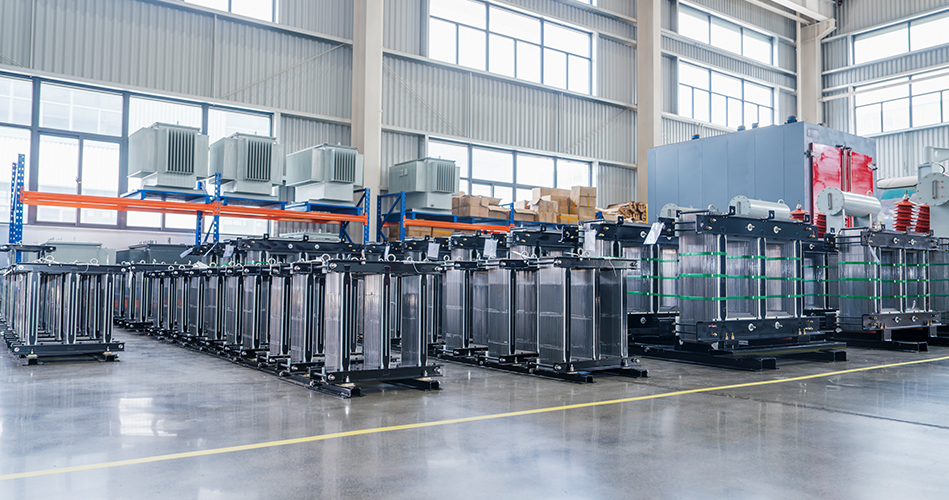
1. Equipment Dimensions May Affect Existing Installation Spaces
Amorphous alloy materials have different magnetic properties and mechanical characteristics from conventional grain-oriented silicon steel. Their core construction can require different structural arrangements, potentially affecting the overall transformer dimensions.
Buyers should request detailed dimensional drawings and verify several installation measurements:
- Overall dimensions: Confirm the equipment length, width, and height, including the enclosure and external accessories.
- Installation clearance: Allow sufficient space between the transformer, walls, and adjacent electrical equipment.
- Terminal positions: Check high-voltage and low-voltage connection locations against existing cable routes or busbar arrangements.
- Maintenance access: Reserve space for inspection, electrical testing, and component replacement.
Replacing a conventional dry-type transformer with an amorphous core model may require modifications to the original equipment room. We recommend comparing approved outline drawings rather than assuming that transformers with identical kVA ratings share the same external dimensions.
2. Foundation Loading and Transportation Need Separate Assessment
Transformer installation involves more than checking whether equipment can pass through a factory entrance. The foundation must support the equipment weight, while transportation arrangements must accommodate its dimensions and weight distribution.
Our recommended project checks include:
- Foundation capacity: Verify the allowable floor loading and supporting structure against the actual transformer weight.
- Access routes: Measure door openings, corridors, turning areas, and loading entrances.
- Lifting arrangements: Confirm lifting points, crane capacity, and suitable handling equipment.
- Transportation dimensions: Review packaging dimensions and vehicle loading restrictions before shipment.
Amorphous alloy cores require careful mechanical handling because their thin metallic ribbons can be vulnerable to improper handling and structural stress. Lifting procedures should follow the manufacturer's designated lifting points and approved transportation instructions.
At Xinxin, we recommend confirming equipment dimensions, shipping weight, and handling requirements during technical discussions so that customers can prepare the installation site before delivery.
3. Ventilation Conditions Remain Important for Dry-Type Transformers
Dry-type transformers release heat through their cooling arrangements. Restricted airflow, elevated ambient temperatures, and insufficient ventilation can affect the operating temperature of the windings and other components.
Site planners should examine the following conditions:
- Air circulation: Keep ventilation openings free from walls, cables, and other obstructions.
- Room temperature: Check the expected ambient temperature against the transformer's specified operating conditions.
- Dust and moisture: Assess whether the installation environment requires additional enclosure protection.
- Cooling arrangement: Confirm whether natural air cooling or forced air cooling is appropriate for the project.
These considerations are particularly relevant to electrical rooms located in factories, underground facilities, and buildings with limited ventilation. Enclosure protection and cooling requirements should be confirmed together rather than treated as separate purchasing decisions.
4. Transformer Inrush Current Can Influence Protection Settings
Electrical protection is another consideration that deserves attention during transformer replacement or new installation. Transformer energization can produce a temporary magnetizing inrush current, which may affect the operation of upstream circuit breakers and protective relays.
Amorphous core designs have distinct magnetic characteristics, so buyers should not assume that their inrush behavior is identical to that of an existing silicon steel transformer.
We recommend confirming these details with the manufacturer and electrical engineering team:
- Inrush current data: Request applicable manufacturer information for the proposed transformer design.
- Protection coordination: Review circuit breaker and relay settings against the actual energization characteristics.
- System impedance: Consider the upstream network conditions and transformer impedance.
- Parallel operation: Check compatibility with existing transformers operating on the same distribution system.
Protection settings should be determined through an engineering assessment rather than adjusted solely according to rated current. This is particularly important in facilities with sensitive electrical loads or multiple transformers connected to a common busbar.
5. Confirm Electrical and Mechanical Specifications Before Ordering
Installation compatibility depends on the complete transformer configuration. An equipment quotation should provide sufficient technical information for the project engineering team to review electrical connections and mechanical arrangements.
At Xinxin Electric, we recommend preparing the following information before requesting a customized transformer proposal:
- Rated capacity and primary/secondary voltage.
- Frequency, vector group, and impedance voltage.
- Amorphous core material and winding conductor requirements.
- Insulation class and temperature-rise limits.
- Cooling method and enclosure protection rating.
- Overall dimensions and equipment weight.
- Installation altitude and ambient temperature.
- Applicable electrical standards and testing requirements.
Providing existing transformer nameplates, electrical drawings, and equipment room measurements can also help us evaluate replacement projects more accurately.
6. Evaluate the Complete Project Cost Instead of Equipment Price Alone
Transformer procurement costs extend beyond the purchase quotation. Installation modifications, transportation, lifting arrangements, electrical protection adjustments, and foundation work may influence the overall project budget.
We suggest comparing the following cost categories:
- Equipment investment: Compare transformer ratings, materials, accessories, and guaranteed technical parameters.
- Site preparation: Include foundation modifications, ventilation work, and electrical room adjustments.
- Transportation: Evaluate packaging dimensions, unloading arrangements, and delivery access.
- Electrical integration: Account for cable connections, protection coordination, and commissioning requirements.
This approach gives purchasing teams a clearer understanding of the financial implications of adopting an amorphous core transformer, particularly during replacement projects involving existing electrical infrastructure.
Discuss Amorphous Transformer Requirements With Xinxin Electric
Amorphous core technology offers a different approach to transformer magnetic circuit design, but successful project implementation also depends on mechanical dimensions, installation conditions, ventilation, and electrical protection. Addressing these factors before purchasing helps reduce unexpected site modifications and specification conflicts.
At Jiangsu Xinxin Electric Co., Ltd., we manufacture dry-type transformers, oil-immersed transformers, and prefabricated substations for industrial and commercial power distribution applications. Our SCBH series amorphous alloy dry-type transformers provide equipment options for projects with specific distribution and operating requirements.
Our team can discuss transformer capacity, voltage levels, winding arrangements, enclosure configurations, and installation conditions according to individual project specifications.
Planning an amorphous transformer installation or replacement? Contact Xinxin Electric with your electrical requirements and site dimensions. We can review the proposed configuration and discuss suitable transformer solutions for your power distribution project.
-
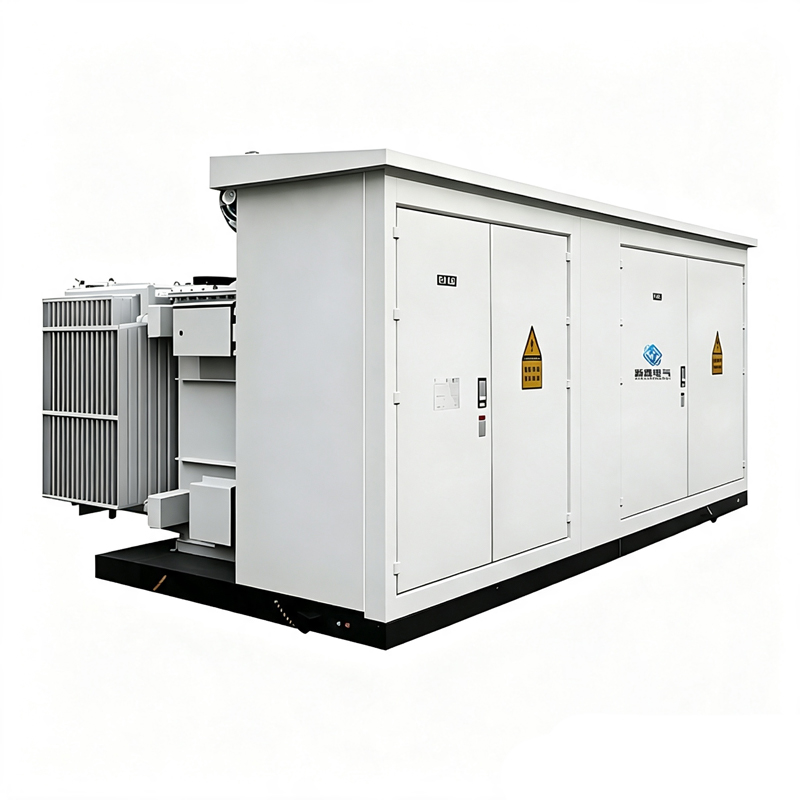 READ MORENew Energy Hua-type / Chinese-style Compact Substation
-
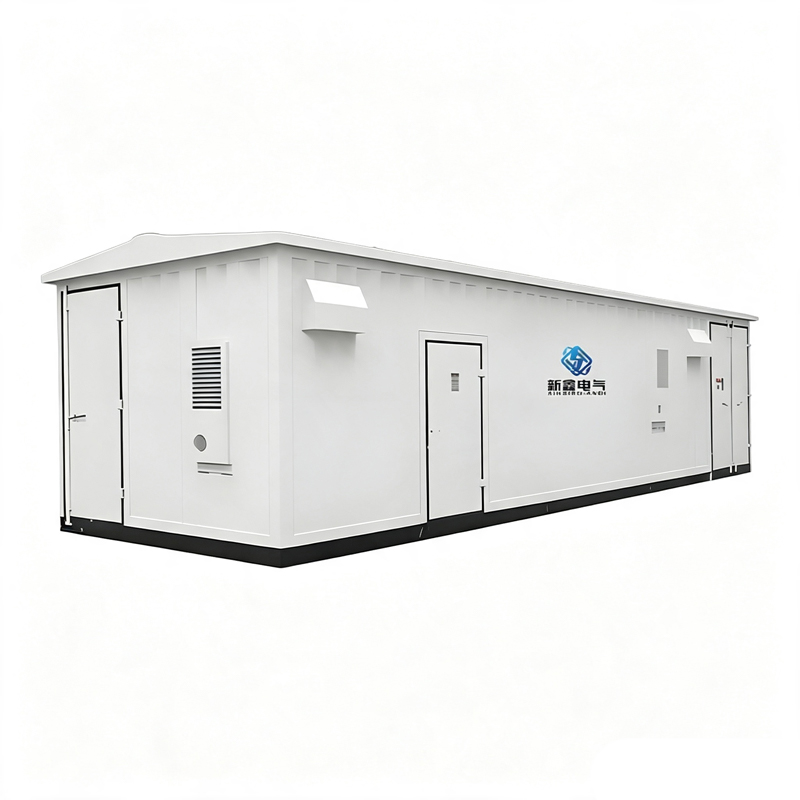 READ MOREPrefabricated Substation for Wind Power and Photovoltaic (PV) Applications
-
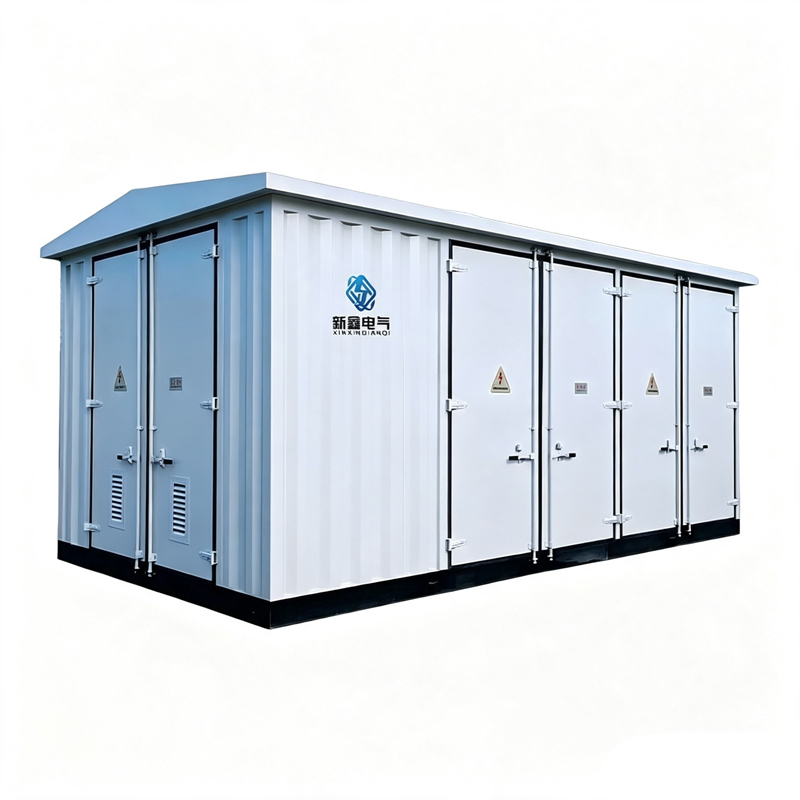 READ MOREEuropean-type Prefabricated Substation
-
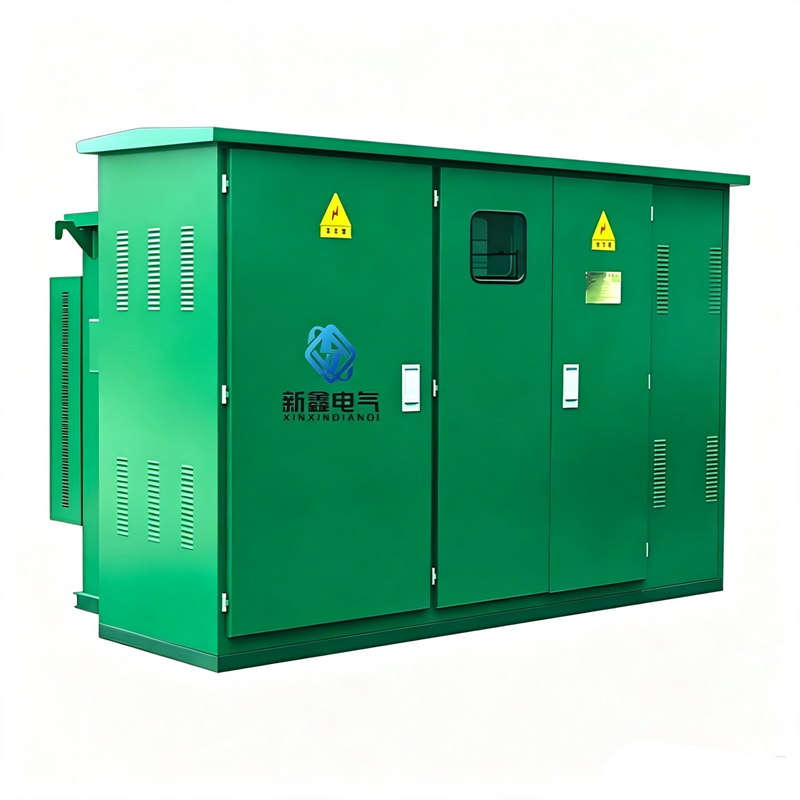 READ MOREAmerican-type Pad-Mounted Prefabricated Substation
-
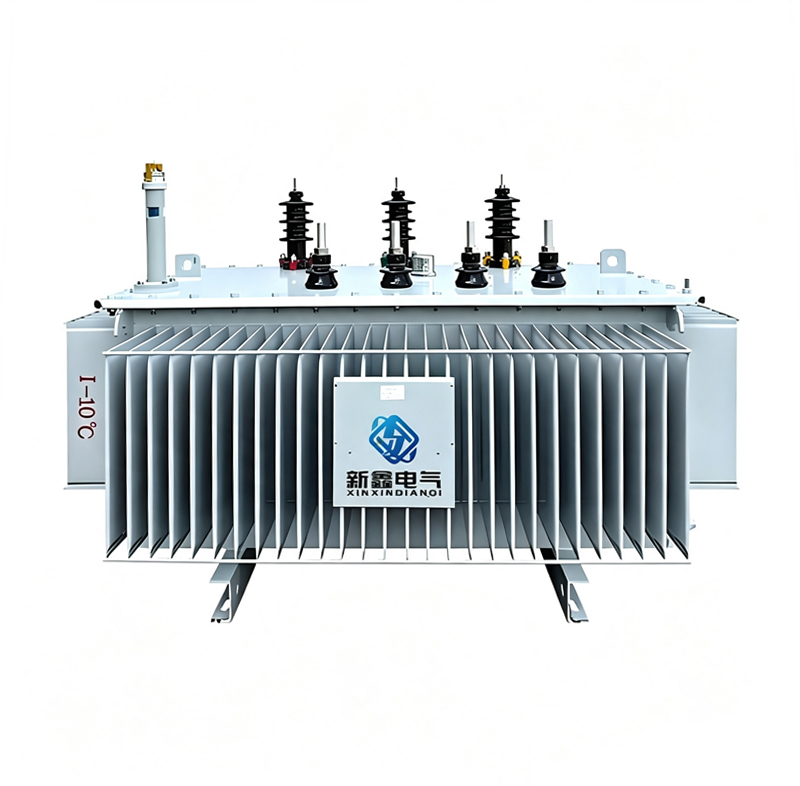 READ MORES(B)H Series Amorphous Alloy Oil Immersed Transformer
-
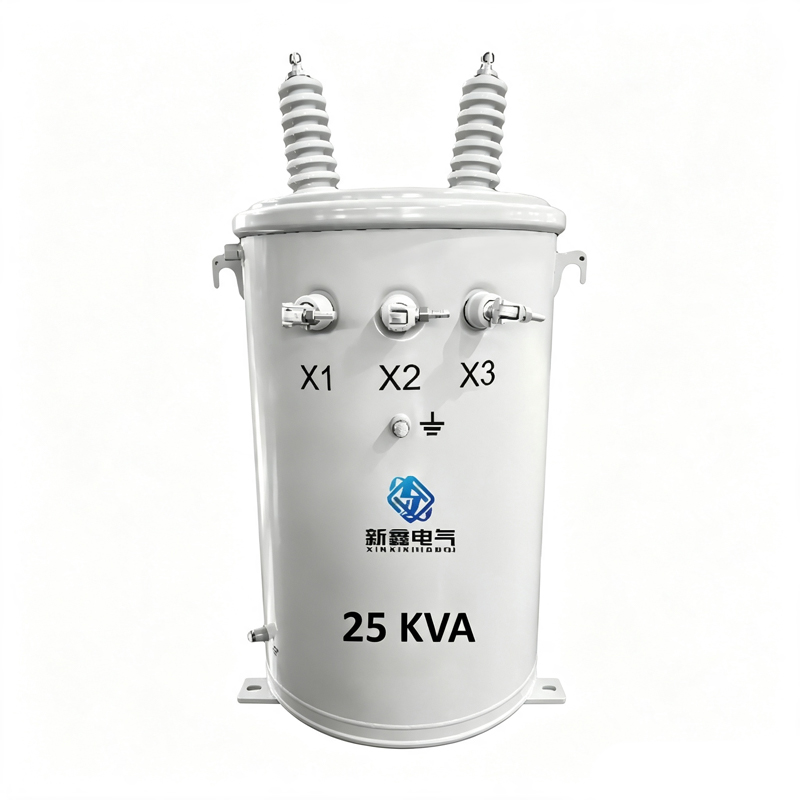 READ MORESingle Phase Pole Mounted Transformer
-
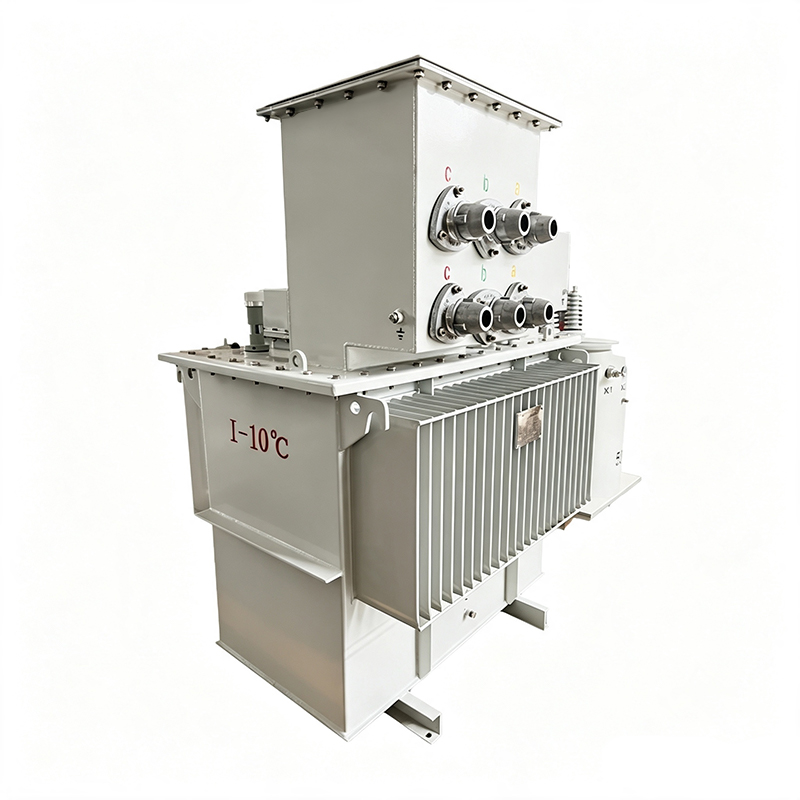 READ MORES-MD Series Underground Oil Immersed Transformer
-
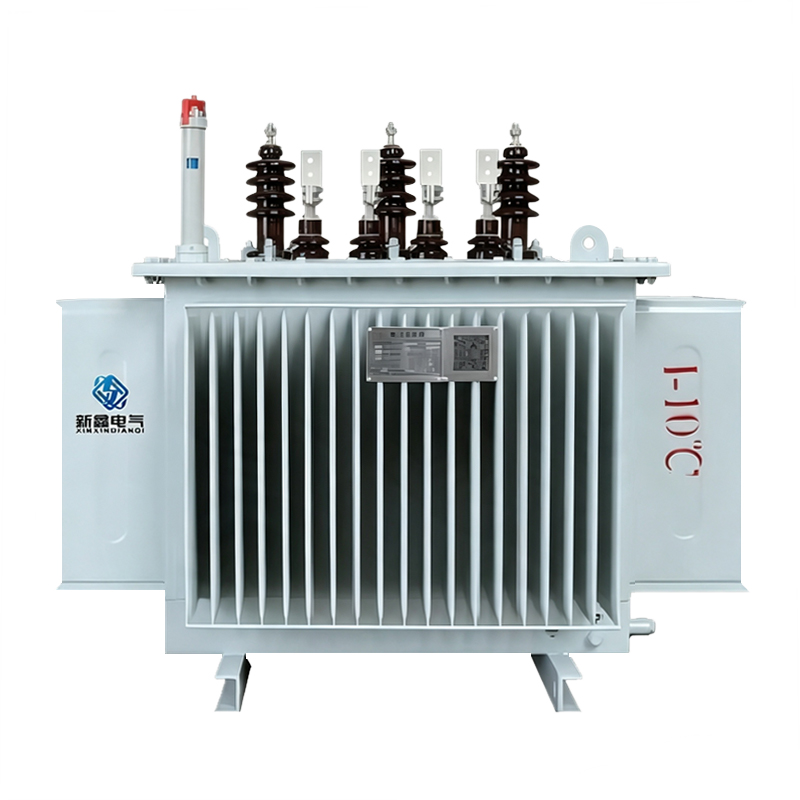 READ MORES Series Oil immersed Transformer
-
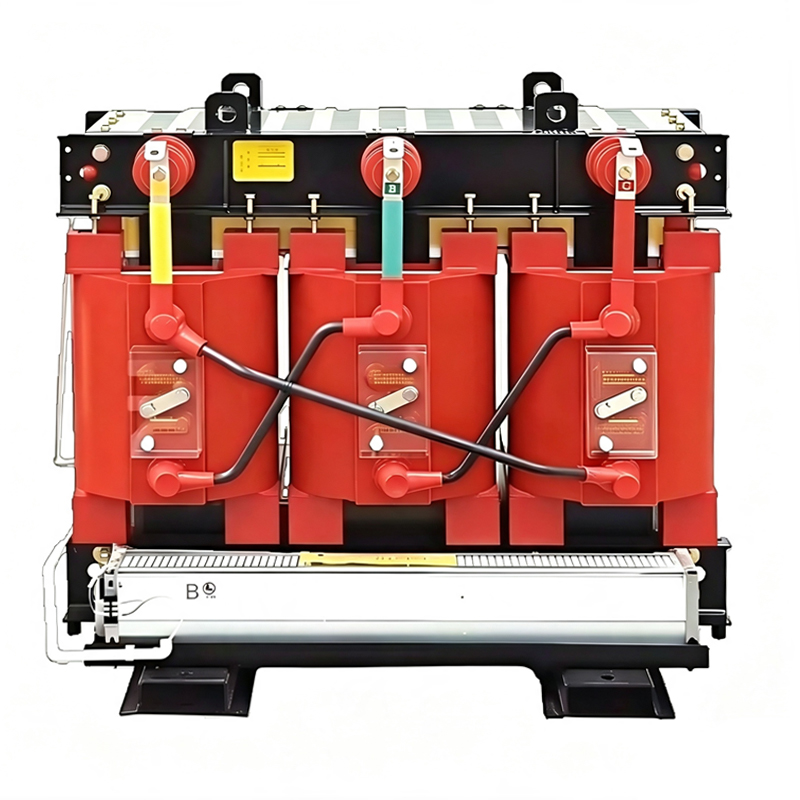 READ MORESC(B)H Series Amorphous Alloy Dry Type Transformer
-
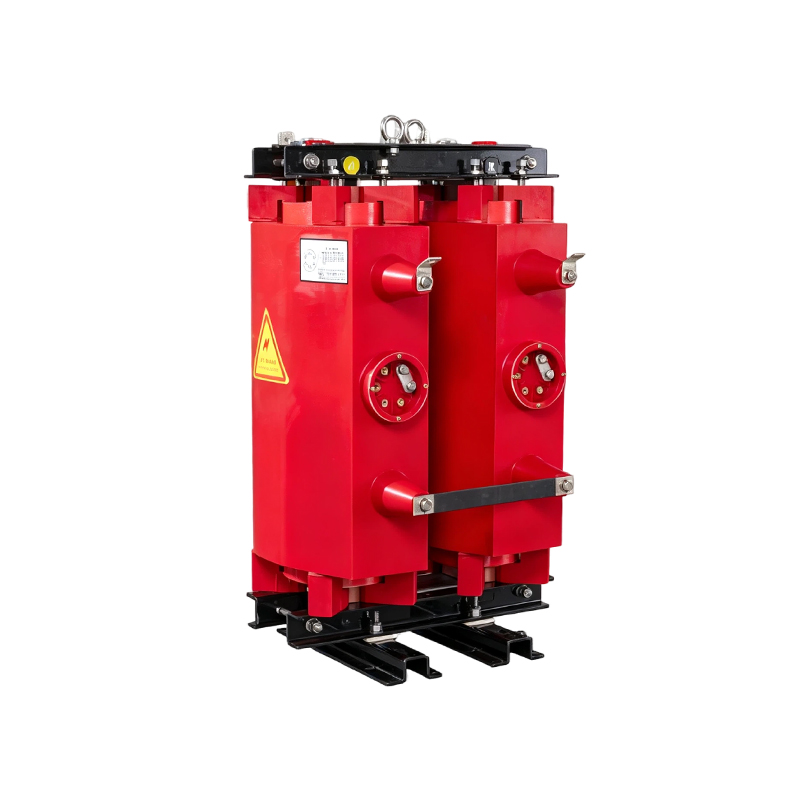 READ MOREDC Series Single Phase Dry Type Transformer
-
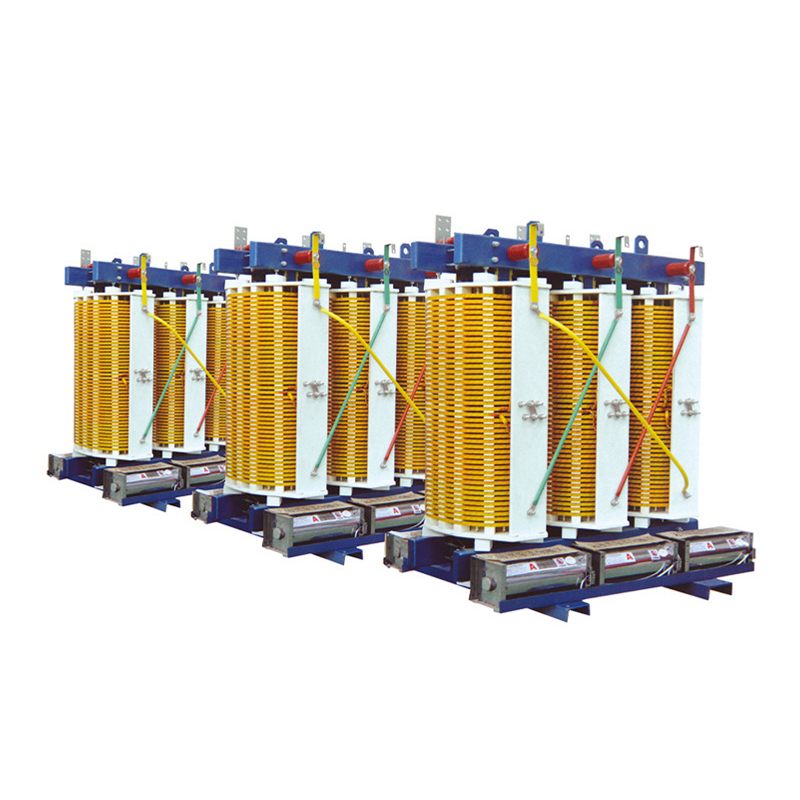 READ MORESG(B) Series Non-Encapsulated H Class Dry Type Transformer
-
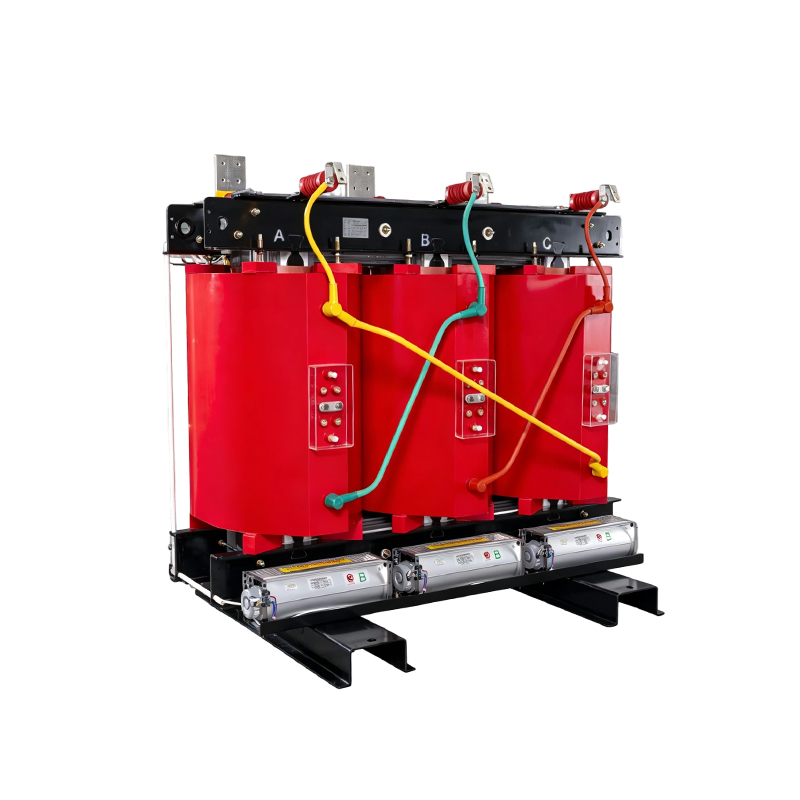 READ MORESC(B) Series Epoxy Resin Cast Dry-Type Transformer
Discuss Your Power Solutions
Whether you are an EPC contractor, electrical equipment distributor or project buyer,
you can send us
your technical parameters, drawings or purchasing requirements.
-

-
Product Categories
Dry Type Transformers Oil Immersed Transformers Substations -
Quick Links
Home Projects Manufacturing & Quality About Us News Contact Us -
Contact Us

Email: xinxin@xinxinelectric.com

Mobile: +86-13852525108

Telephone: +86-514-85811000

Whatsapp: +86-19707679478

No. 6-6, Kangmin Road, Yizheng City, Yangzhou, Jiangsu Province, China.
