
 English
 Español
 русский
 Français
 Deutsch
 عربى
 中文简体

Can a Compact Substation Fit the Site Before Transport Is Approved
A compact substation may meet all electrical specifications and still face difficulties before reaching its installation location. Restricted road access, bridge weight limits, narrow entrances, crane limitations, and foundation dimensions can affect whether the equipment can be delivered and installed as planned. These issues are particularly important for renewable energy projects located in remote areas or sites with limited transportation infrastructure.
At Xinxin Electric, we believe site compatibility should be reviewed during the equipment design stage rather than after manufacturing is completed. A Renewable Energy Compact Substation combines electrical equipment within an integrated enclosure, but its external dimensions, total weight, lifting arrangement, and connection interfaces must still match the actual project conditions.
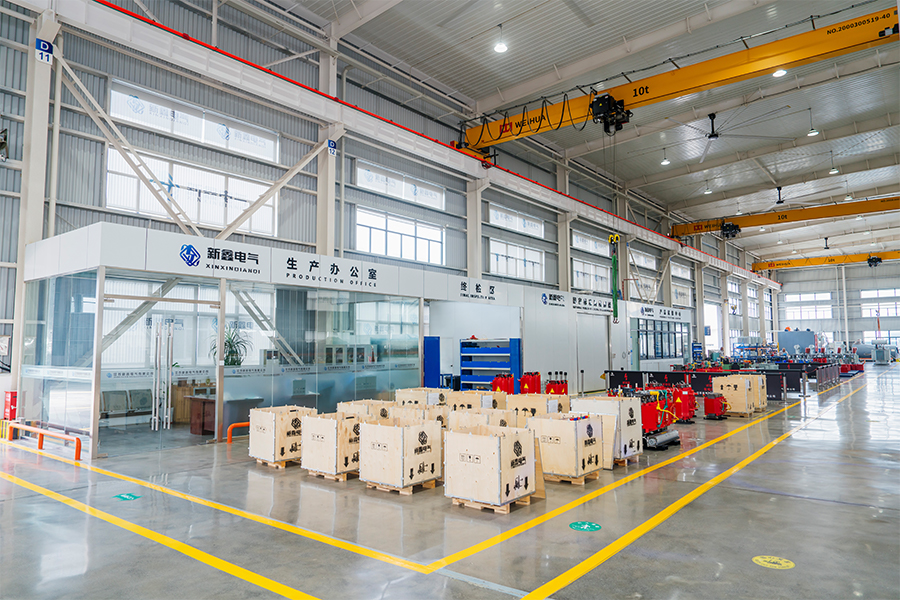
1. Check Transportation Dimensions Before Confirming the Design
The external dimensions of a prefabricated substation determine whether it can pass through the transportation route and reach the installation area. Buyers should not rely exclusively on standard container dimensions or general product descriptions.
We recommend confirming these measurements with the manufacturer:
- Overall length and width: Check the equipment dimensions against truck platforms, road widths, and entrance openings.
- Transport height: Include the enclosure roof, ventilation structures, and other external components.
- Total shipping weight: Confirm the actual weight of the complete transport unit, including installed transformers and switchgear.
- Transportation configuration: Determine whether the substation can be shipped as one assembled unit or requires separate modules.
For renewable energy installations in mountainous or rural locations, narrow roads and overhead restrictions may limit the dimensions of transportable equipment. A preliminary route survey can identify these limitations before the final equipment arrangement is approved.
2. Evaluate Road Conditions and Delivery Access
Equipment dimensions alone cannot establish transportation feasibility. The entire delivery route should be assessed, including road surfaces, turning areas, bridges, slopes, and overhead obstacles.
At Xinxin, we recommend that project teams review the following transportation conditions:
- Bridge capacity: Verify permitted vehicle and axle loads along the delivery route.
- Turning radius: Check whether transport vehicles can navigate intersections and narrow access roads.
- Road gradient: Assess steep slopes and ground conditions that may affect heavy vehicle movement.
- Overhead clearance: Identify power lines, bridges, tunnels, and other height restrictions.
- Site entrance: Confirm gate dimensions and the available maneuvering area for unloading.
These checks are particularly relevant to solar and wind power projects located away from established industrial transportation networks. A substation that fits the prepared foundation may still be unsuitable for the available delivery route.
3. Confirm Crane Capacity and Lifting Arrangements
After transportation approval, the equipment must be unloaded and positioned on its foundation. This operation requires coordination between the substation manufacturer, logistics provider, crane operator, and site construction team.
Several technical details should be confirmed before shipment:
- Equipment center of gravity: Obtain the manufacturer's lifting information and identify the weight distribution.
- Lifting points: Verify the designated lifting brackets and their rated capacity.
- Crane capacity: Check the crane's lifting chart at the actual working radius, not just its nominal ideal capacity.
- Ground conditions: Assess whether the crane operating area can support outrigger loads.
- Lifting instructions: Follow the manufacturer's approved lifting sequence and handling requirements.
Uneven lifting forces can damage the enclosure or internal electrical components. The lifting method should therefore follow the approved manufacturer documentation. IEC 62271-202 also addresses transport-unit mass declarations, lifting provisions, and installation instructions for prefabricated substations.
4. Match Foundation Dimensions With the Equipment Layout
A suitable foundation provides mechanical support and establishes the connection between the substation enclosure and the site's civil infrastructure. Foundation preparation should be based on approved equipment drawings rather than estimated dimensions.
We suggest checking these construction interfaces:
- Foundation dimensions: Match the length, width, and supporting points with the equipment base.
- Load-bearing capacity: Confirm that the foundation can support the installed equipment weight.
- Cable trenches: Coordinate incoming and outgoing cable positions with the substation compartment layout.
- Drainage: Consider local rainfall, surface water, and potential flooding conditions.
- Grounding: Provide suitable connections between the substation earthing system and the site grounding network.
Incorrect cable entry positions or foundation openings may require additional civil work after equipment delivery. We recommend approving the general arrangement drawing and foundation interface documents before construction begins.
5. Consider Environmental Conditions at Renewable Energy Sites
Solar and wind power facilities are frequently installed in locations with specific environmental challenges. High temperatures, dust, humidity, coastal corrosion, and elevated installation altitudes can influence enclosure selection and equipment configuration.
Project buyers should provide the following information:
- Local ambient temperature range and installation altitude.
- Required enclosure protection rating against dust and water ingress.
- Corrosion protection requirements for coastal or industrial environments.
- Ventilation and cooling arrangements for transformers and switchgear.
- Required operating and maintenance access around the enclosure.
These conditions should be considered together with electrical ratings and equipment arrangement. A compact enclosure must provide sufficient internal space for electrical components, heat dissipation, and inspection access under the specified operating environment.
6. Define the Transportation and Installation Responsibilities
Transportation approval and equipment installation involve several parties. Unclear responsibilities may create disagreements over unloading, lifting equipment, foundation preparation, and final electrical connections.
Before confirming an order, we recommend defining:
- The manufacturer's responsibility for equipment dimensions, shipping weight, and lifting documentation.
- The logistics provider's responsibility for route assessment and transportation permits.
- The EPC contractor's responsibility for foundation construction and site preparation.
- The installation team's responsibility for lifting, positioning, and external cable connections.
- The agreed factory acceptance testing and site commissioning scope.
Establishing these responsibilities before production helps project teams coordinate equipment delivery with construction progress and site readiness.
Discuss Renewable Energy Substation Requirements With Xinxin Electric
A compact substation should be evaluated as both an electrical installation and a transportable engineering package. Equipment dimensions, shipping weight, road access, lifting arrangements, foundation design, and environmental conditions all influence project feasibility.
At Jiangsu Xinxin Electric Co., Ltd., we manufacture prefabricated substations, dry-type transformers, oil-immersed transformers, and electrical distribution equipment for renewable energy and industrial applications. Our new energy substation solutions can be configured according to project voltage levels, transformer capacity, switchgear arrangements, and installation requirements.
Our team can discuss equipment dimensions, enclosure arrangements, technical drawings, and project-specific interfaces to support equipment planning before production and transportation.
Planning a solar or wind power substation project? Send Xinxin Electric your site dimensions, transportation restrictions, required electrical specifications, and installation drawings. We can review the proposed equipment configuration and discuss a suitable compact substation solution for your project.
-
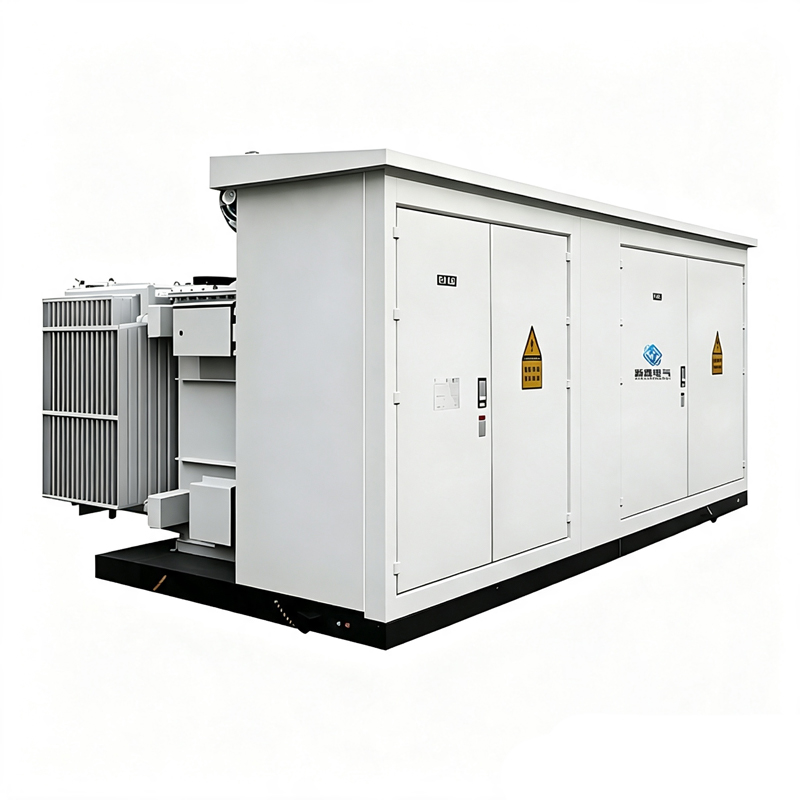 READ MORENew Energy Hua-type / Chinese-style Compact Substation
-
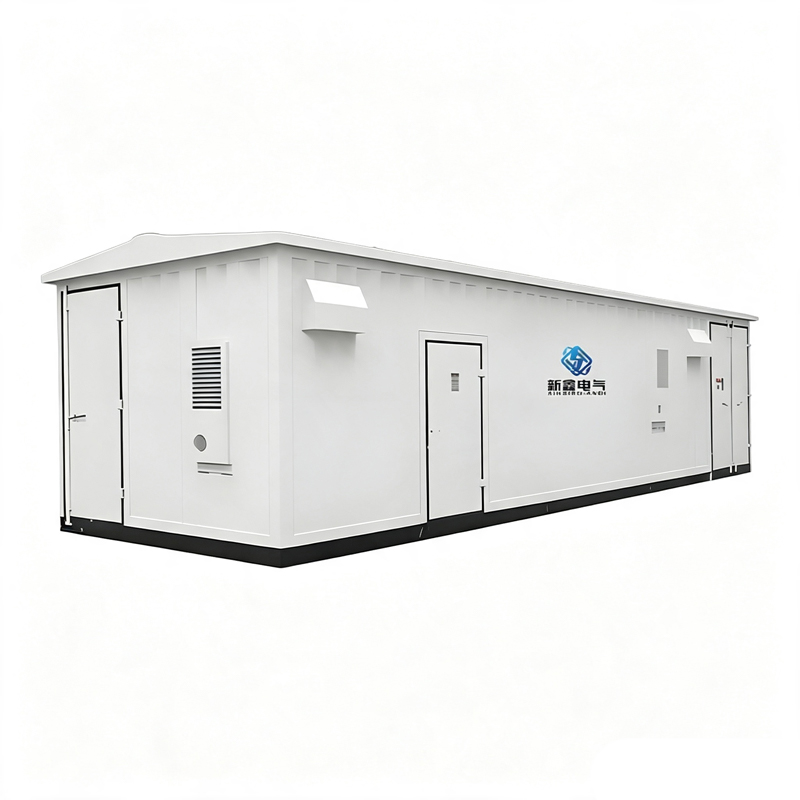 READ MOREPrefabricated Substation for Wind Power and Photovoltaic (PV) Applications
-
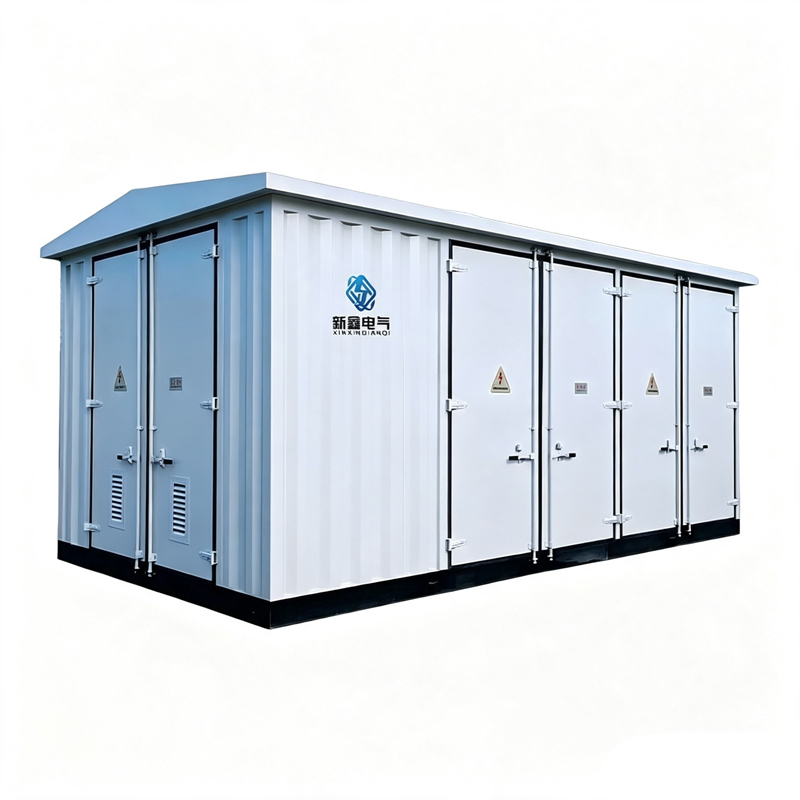 READ MOREEuropean-type Prefabricated Substation
-
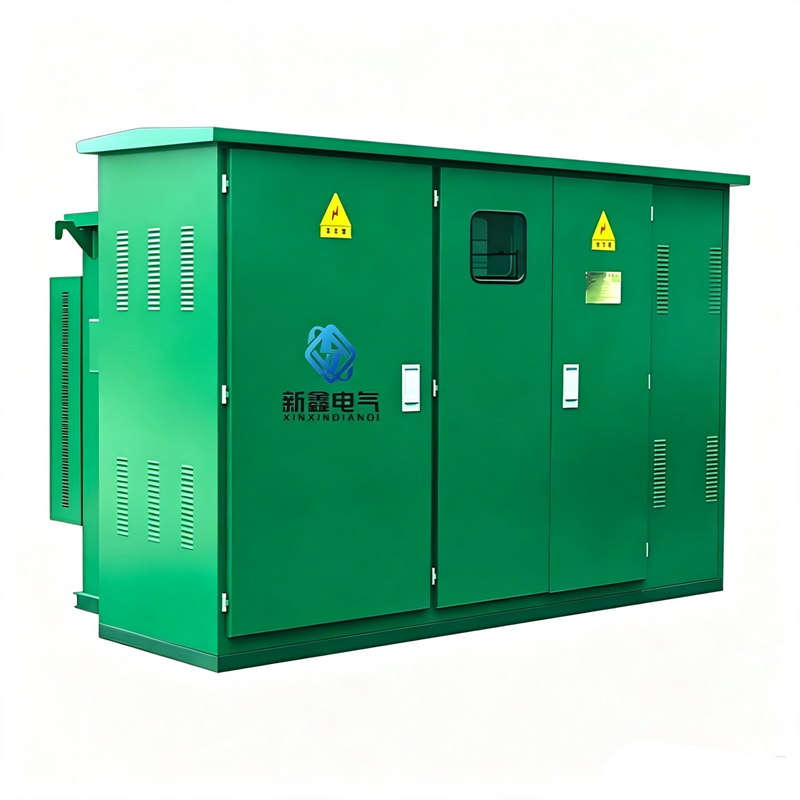 READ MOREAmerican-type Pad-Mounted Prefabricated Substation
-
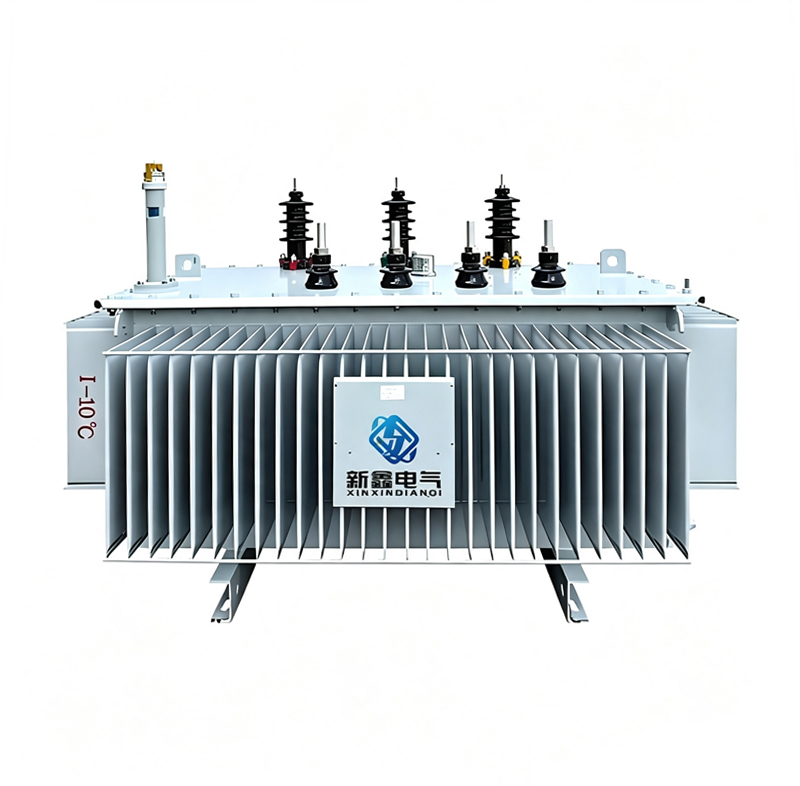 READ MORES(B)H Series Amorphous Alloy Oil Immersed Transformer
-
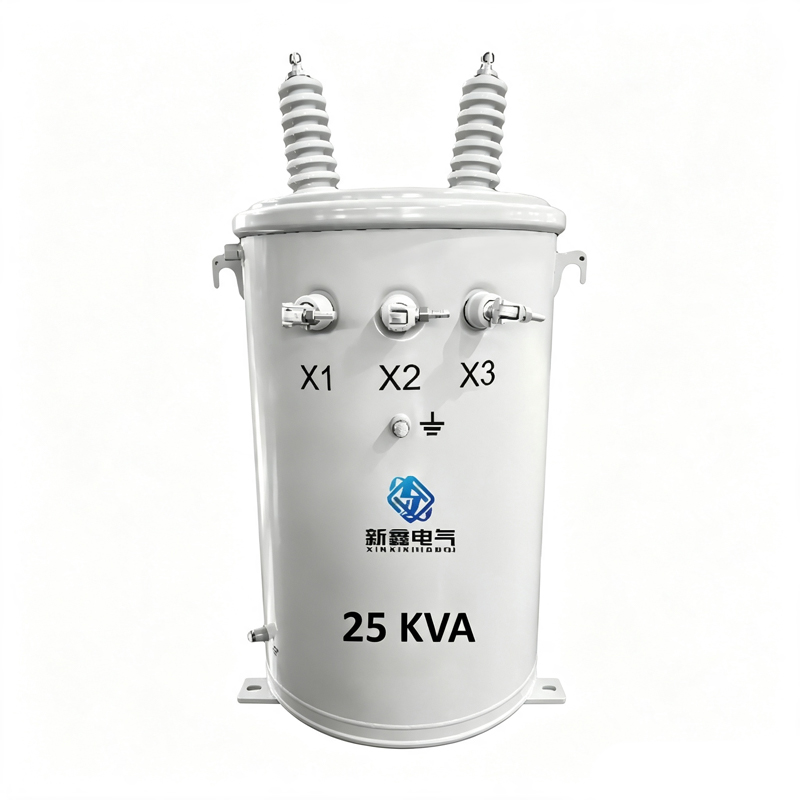 READ MORESingle Phase Pole Mounted Transformer
-
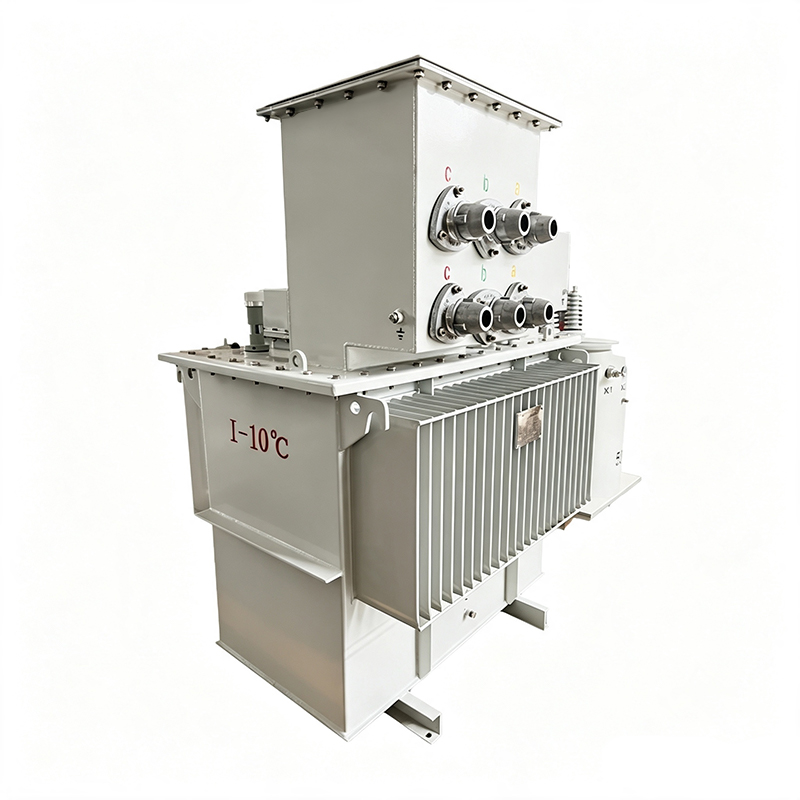 READ MORES-MD Series Underground Oil Immersed Transformer
-
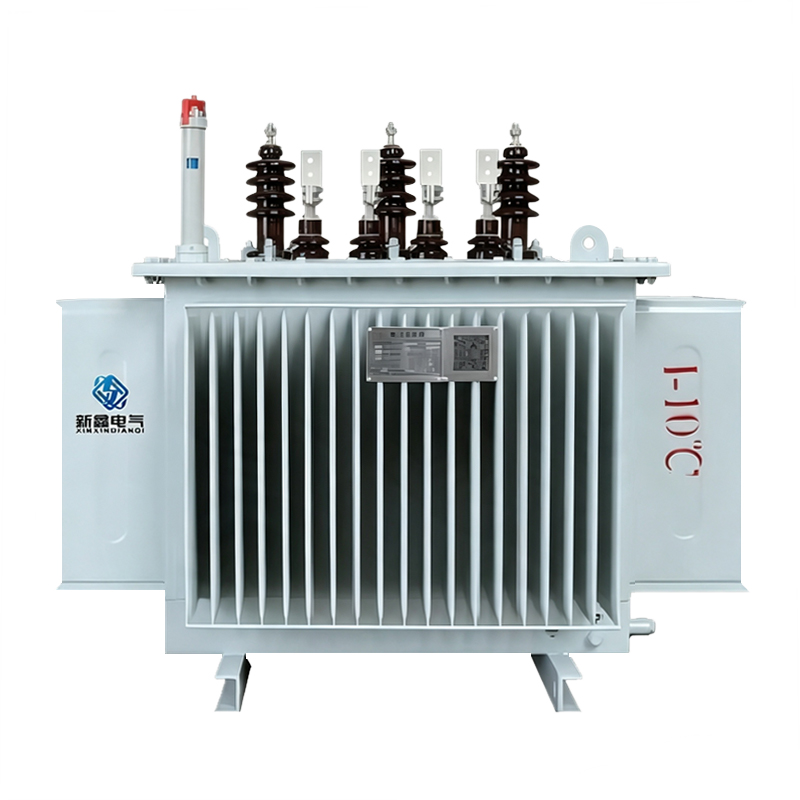 READ MORES Series Oil immersed Transformer
-
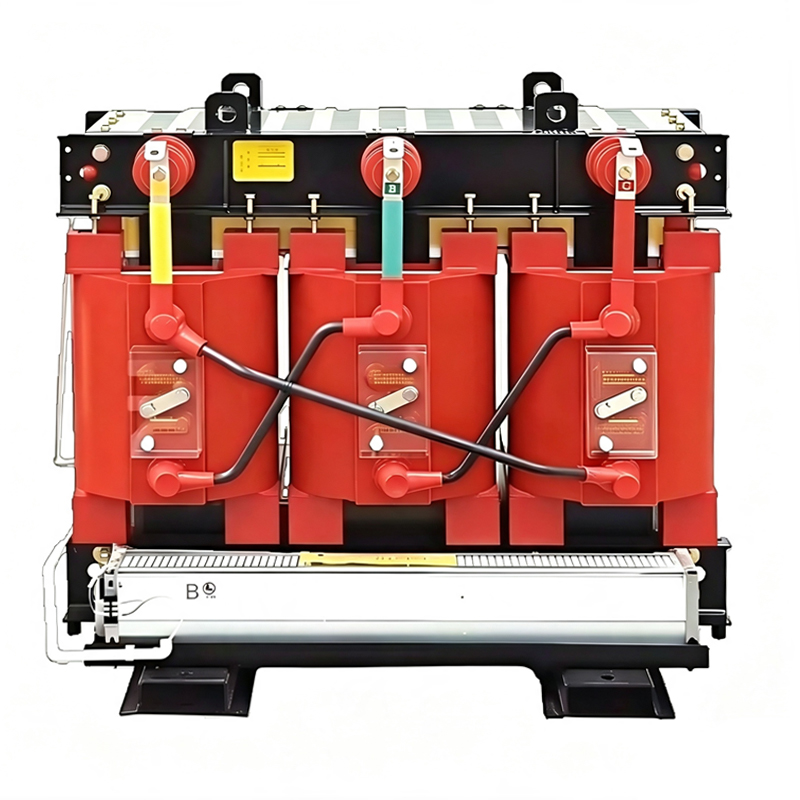 READ MORESC(B)H Series Amorphous Alloy Dry Type Transformer
-
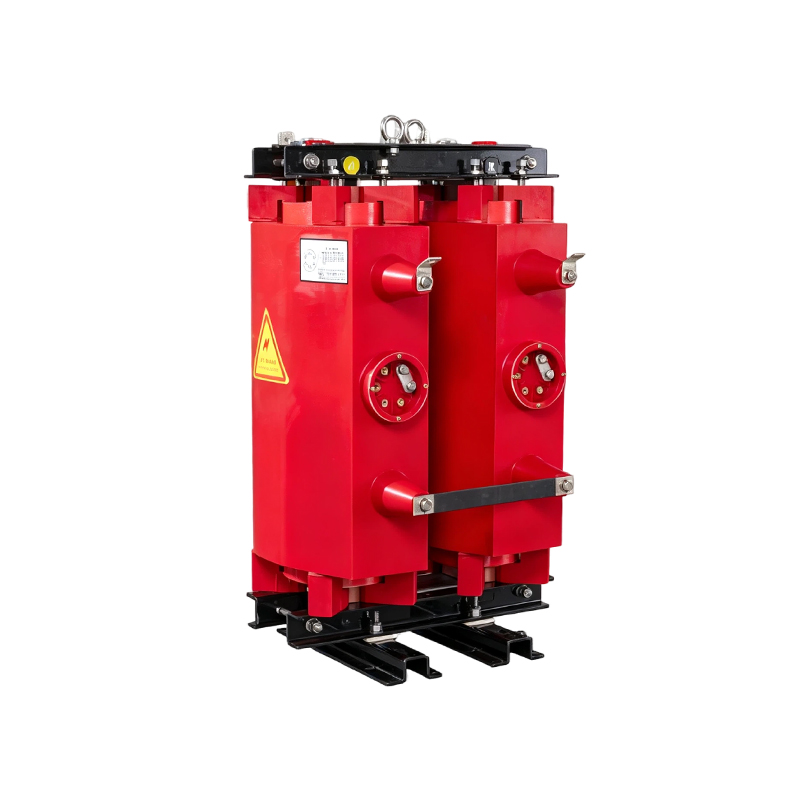 READ MOREDC Series Single Phase Dry Type Transformer
-
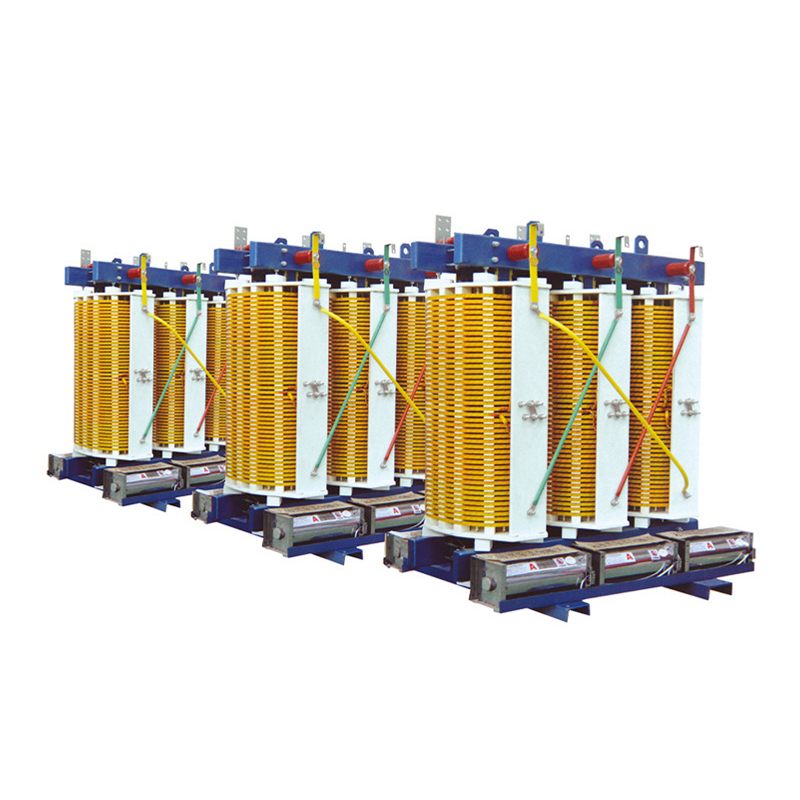 READ MORESG(B) Series Non-Encapsulated H Class Dry Type Transformer
-
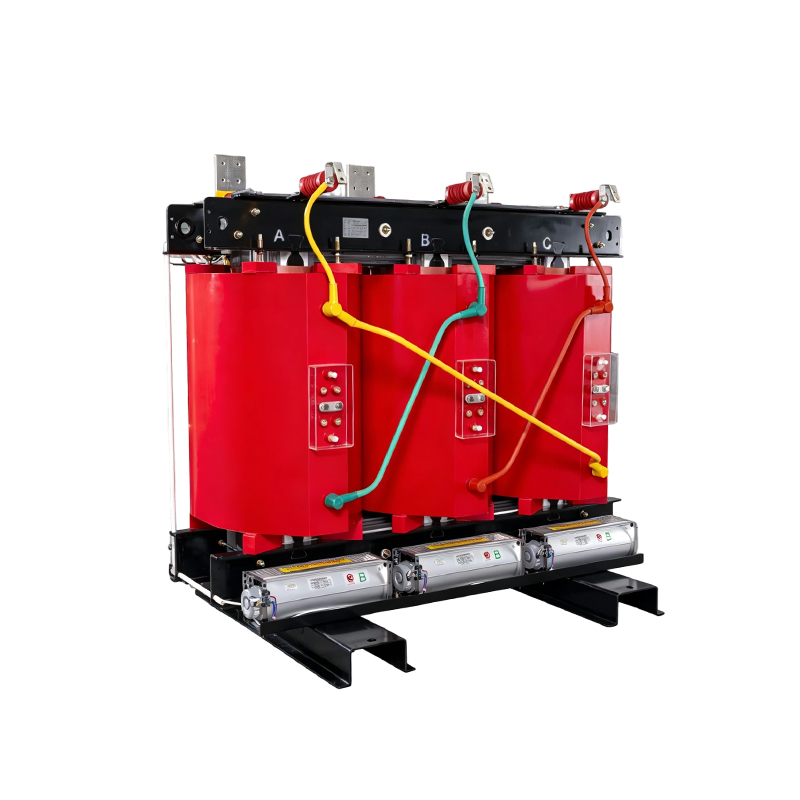 READ MORESC(B) Series Epoxy Resin Cast Dry-Type Transformer
Discuss Your Power Solutions
Whether you are an EPC contractor, electrical equipment distributor or project buyer,
you can send us
your technical parameters, drawings or purchasing requirements.
-

-
Product Categories
Dry Type Transformers Oil Immersed Transformers Substations -
Quick Links
Home Projects Manufacturing & Quality About Us News Contact Us -
Contact Us

Email: xinxin@xinxinelectric.com

Mobile: +86-13852525108

Telephone: +86-514-85811000

Whatsapp: +86-19707679478

No. 6-6, Kangmin Road, Yizheng City, Yangzhou, Jiangsu Province, China.
