
 English
 Español
 русский
 Français
 Deutsch
 عربى
 中文简体

Solar PV Substations: Who Defines the Grid Connection Requirements
A solar power project may have sufficient installed generation capacity, suitable land, and a complete photovoltaic module arrangement, but these conditions do not automatically guarantee successful grid connection. The substation must comply with the technical requirements of the receiving electrical network, including voltage levels, protection arrangements, metering, communication, and power quality.
At Xinxin Electric, we recognize that grid connection requirements should be clarified before the substation configuration is finalized. A Solar Pv Substation involves multiple electrical interfaces, and its specifications depend on the project location, grid operator, installed generation capacity, and approved connection scheme.
1. The Local Grid Operator Defines the Connection Conditions
The grid operator or relevant utility establishes the technical conditions under which a photovoltaic power plant can connect to the electrical network. These requirements vary between countries, regions, voltage levels, and project categories.
Before equipment procurement begins, project owners and EPC contractors should confirm:
- Connection voltage: Identify the required medium-voltage or high-voltage connection level.
- Export capacity: Confirm the permitted power injection into the electrical network.
- Grid protection: Obtain requirements for overcurrent, overvoltage, undervoltage, frequency, and other applicable protection functions.
- Power quality: Review applicable limits for harmonics, voltage fluctuations, and power factor.
- Metering: Clarify revenue metering arrangements and measurement locations.
For example, a utility-scale photovoltaic project connected to a medium-voltage distribution network may require a different transformer and switchgear arrangement from a larger solar farm connected to a high-voltage transmission network.
At Xinxin, we recommend obtaining the utility's preliminary connection conditions before confirming transformer ratings, switchgear voltage classes, and protection configurations.
2. EPC Contractors Coordinate the Electrical Design
The grid operator establishes connection conditions, but the EPC contractor or appointed electrical engineering team usually coordinates the detailed project design. This includes translating grid requirements into equipment specifications and ensuring that different electrical systems work together.
Several engineering documents are particularly important:
- Single-line diagram: Shows the electrical connection between photovoltaic inverters, collection circuits, transformers, switchgear, and the grid connection point.
- Transformer specification: Defines rated capacity, voltage ratio, vector group, impedance, and insulation requirements.
- Protection coordination study: Establishes suitable relay functions and settings according to the network fault conditions.
- Communication diagram: Identifies SCADA connections, monitoring devices, and required communication interfaces.
These documents help equipment manufacturers understand the actual project requirements rather than working from a general equipment description. They also provide a reference for checking technical compatibility between the substation and the photovoltaic generation system.
3. Transformer and Switchgear Specifications Must Match the Grid
The main transformer and switchgear are important components of a photovoltaic substation. Their ratings should correspond to the inverter output, collection system, and receiving network.
We recommend reviewing the following parameters during equipment selection:
- Rated transformer capacity: Match the transformer rating with the expected generation output and applicable loading conditions.
- Voltage ratio: Confirm compatibility between inverter output voltage, medium-voltage collection circuits, and grid connection voltage.
- Vector group: Verify the required winding connection and grounding arrangement.
- Short-circuit withstand: Check the switchgear ratings against the calculated network fault level.
- Insulation level: Match equipment insulation specifications with the applicable system voltage and installation conditions.
For example, a photovoltaic installation using multiple inverters may require individual step-up transformers or a centralized transformer arrangement. The appropriate configuration depends on the plant architecture, collection voltage, cable distances, and grid connection design.
Our engineering team considers these electrical interfaces during equipment discussions to help customers identify the appropriate transformer and prefabricated substation arrangement.
4. Protection, Metering, and SCADA Responsibilities Need Clear Boundaries
Grid connection involves more than power transmission equipment. Protection relays, metering devices, and communication systems must also satisfy the requirements of the utility and project control architecture.
Project teams should clarify the following responsibilities before finalizing the procurement scope:
- Protection relays: Confirm required protection functions, relay settings, and trip signal interfaces.
- Revenue metering: Determine meter specifications, measurement locations, and ownership responsibilities.
- SCADA integration: Define required operating data, remote monitoring signals, communication protocols, and control functions.
- Utility communication: Confirm whether fiber connections, remote tripping, or dedicated communication equipment are required.
For larger solar projects, SCADA may need to exchange real-time information with the utility control center. Signals can include active power, reactive power, voltage, current, breaker status, and equipment alarms, depending on the approved project requirements.
We encourage customers to provide the relevant control and communication specifications during the quotation stage. This helps define the equipment supply boundary and reduces interface disagreements during installation.
5. Local Standards and Grid Codes Should Be Confirmed Early
International photovoltaic projects may follow different technical standards and regulatory procedures. IEC and IEEE standards provide important technical references, but the applicable local grid code and utility requirements determine the final project acceptance conditions.
Buyers should confirm:
- Applicable national electrical standards and grid connection regulations.
- Required transformer and switchgear testing documents.
- Protection relay testing and commissioning procedures.
- Equipment certification and inspection requirements.
- Utility witness testing and energization approval procedures.
For example, IEEE 1547 provides an important framework for distributed energy resource interconnection in applicable jurisdictions, while IEC standards cover different aspects of power transformers and high-voltage switchgear. The engineering team should verify the editions and local adoption requirements relevant to each project.
6. Prepare a Clear Equipment Supply and Responsibility Schedule
Unclear project boundaries can create procurement delays and additional engineering work. A photovoltaic substation may involve several parties supplying transformers, switchgear, protection panels, metering equipment, and communication systems.
We recommend preparing a responsibility schedule covering:
- Equipment supplied by the substation manufacturer.
- Protection and control components provided by the EPC contractor.
- Utility-owned metering and connection equipment.
- Site installation, cable termination, and grounding work.
- Factory acceptance testing and site commissioning responsibilities.
A clearly defined supply boundary helps project owners compare quotations and understand which equipment and engineering services are included in the contract.
Work With Xinxin Electric on Your Solar Substation Project
Grid connection requirements are established through local utility regulations, project-specific engineering studies, and applicable electrical standards. The EPC contractor coordinates the design, while the equipment manufacturer provides products and technical documentation that meet the approved specifications.
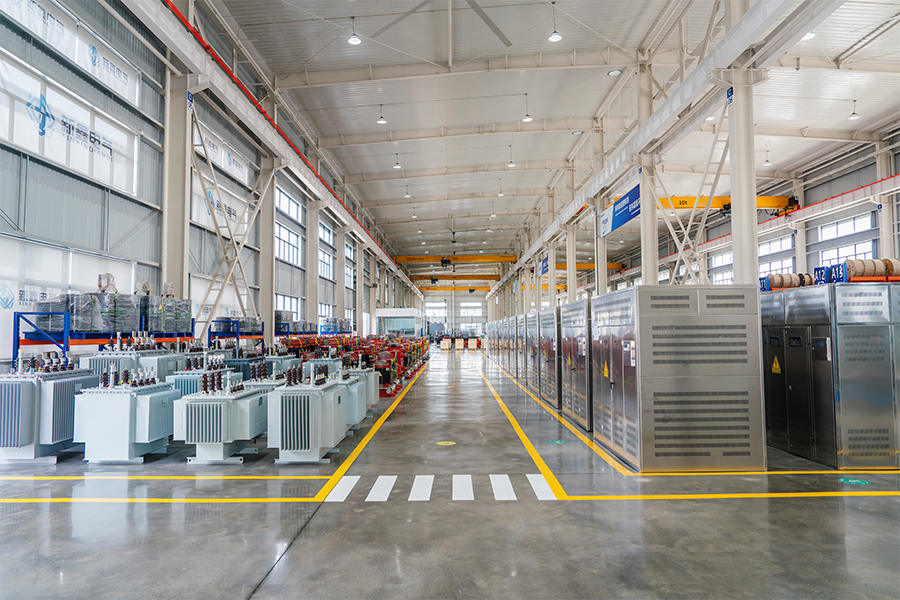
At Jiangsu Xinxin Electric Co., Ltd., we manufacture transformers, prefabricated substations, and electrical distribution equipment for industrial and renewable energy applications. Our solutions include prefabricated substations designed for photovoltaic and wind power projects.
Our team can discuss transformer capacity, voltage levels, switchgear configurations, protection arrangements, and project-specific installation requirements with international customers.
Planning a photovoltaic grid connection project? Share your approved single-line diagram, grid voltage, generation capacity, and technical specifications with Xinxin Electric. We can review the equipment requirements and discuss a suitable prefabricated substation configuration for your project.
-
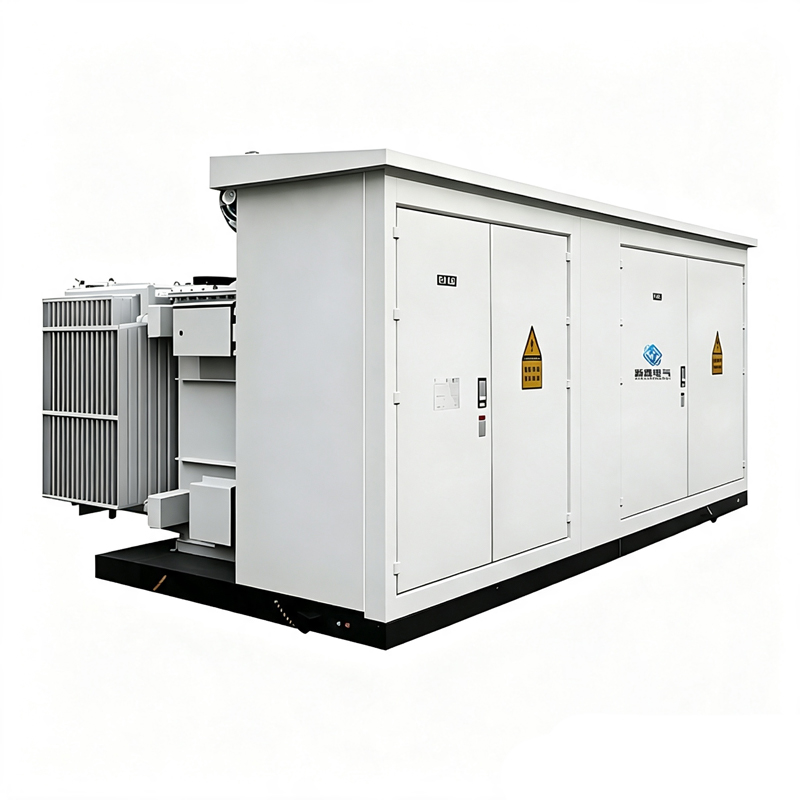 READ MORENew Energy Hua-type / Chinese-style Compact Substation
-
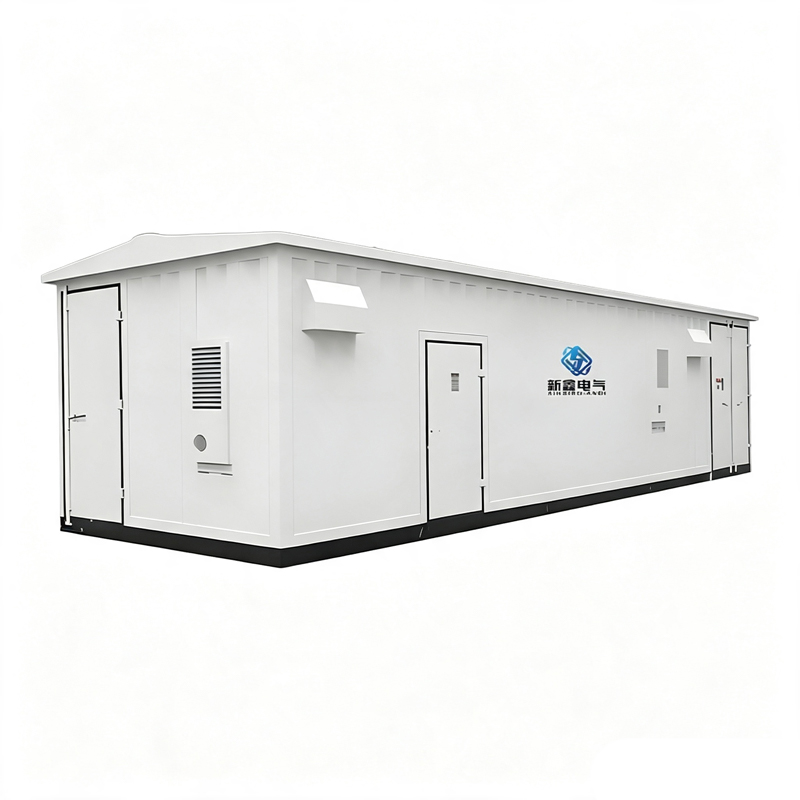 READ MOREPrefabricated Substation for Wind Power and Photovoltaic (PV) Applications
-
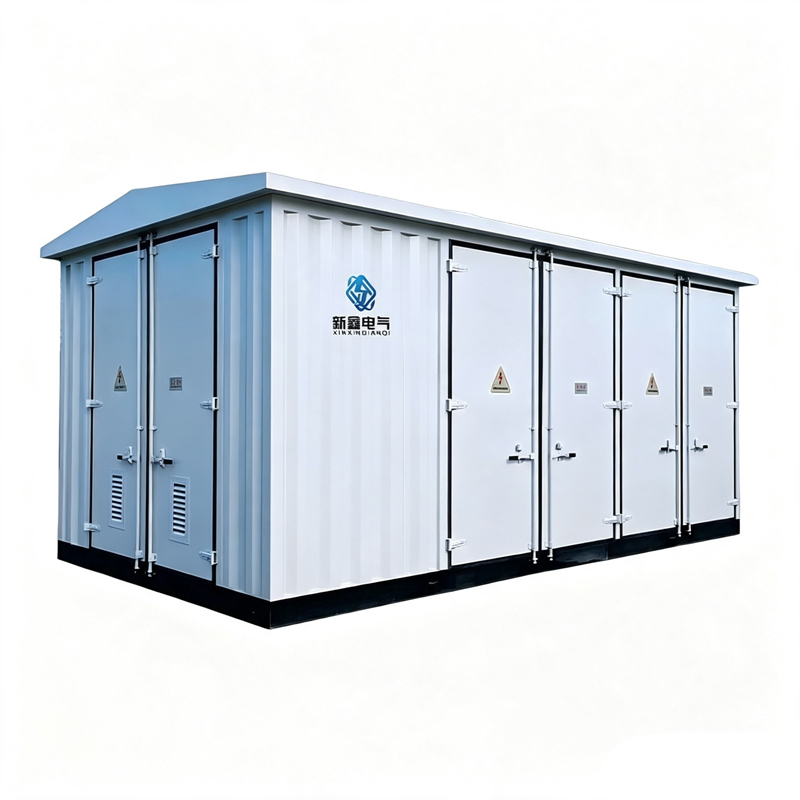 READ MOREEuropean-type Prefabricated Substation
-
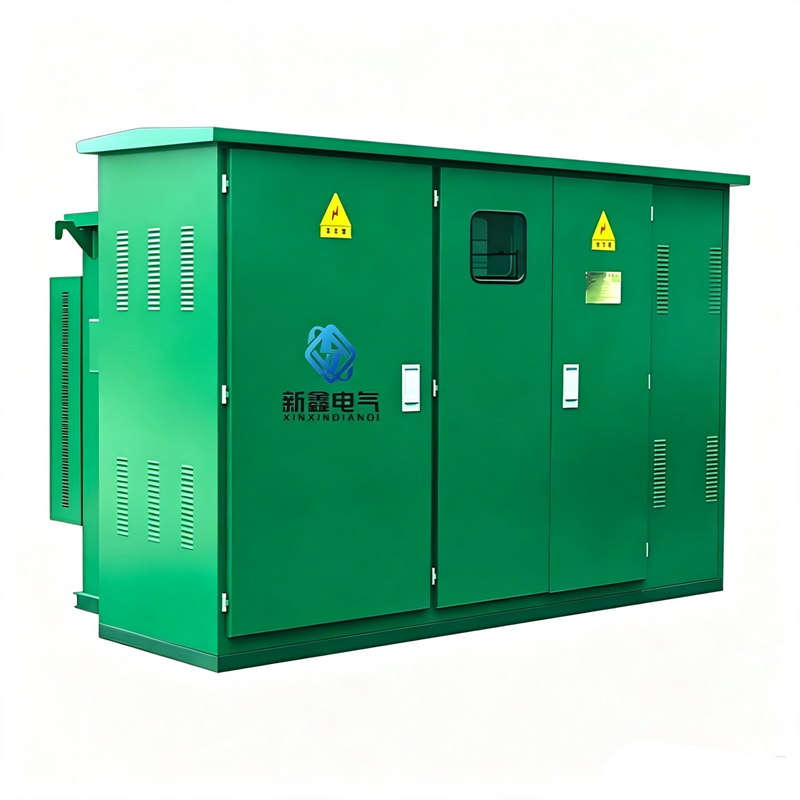 READ MOREAmerican-type Pad-Mounted Prefabricated Substation
-
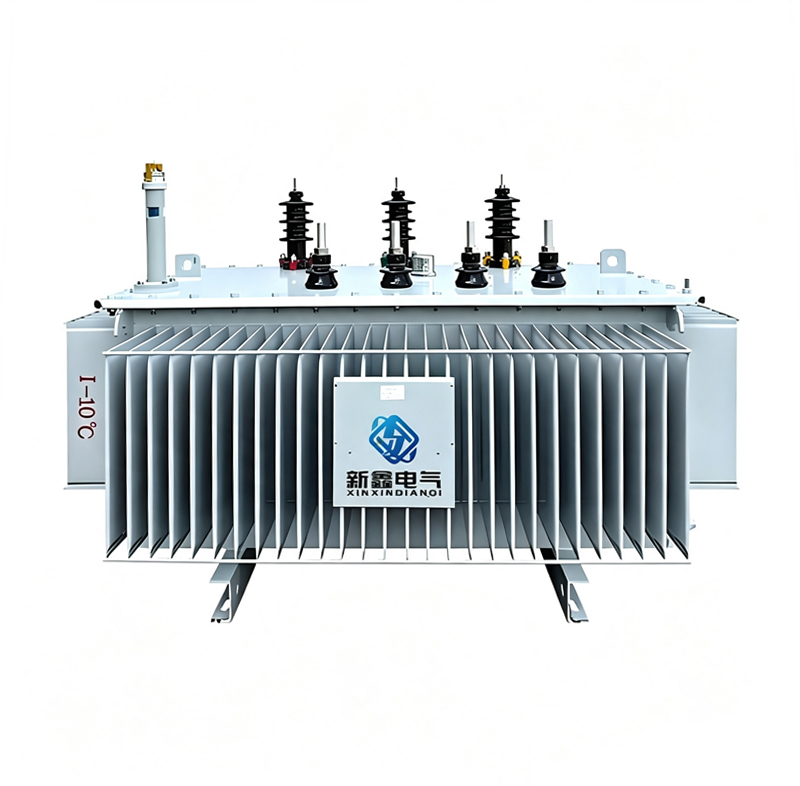 READ MORES(B)H Series Amorphous Alloy Oil Immersed Transformer
-
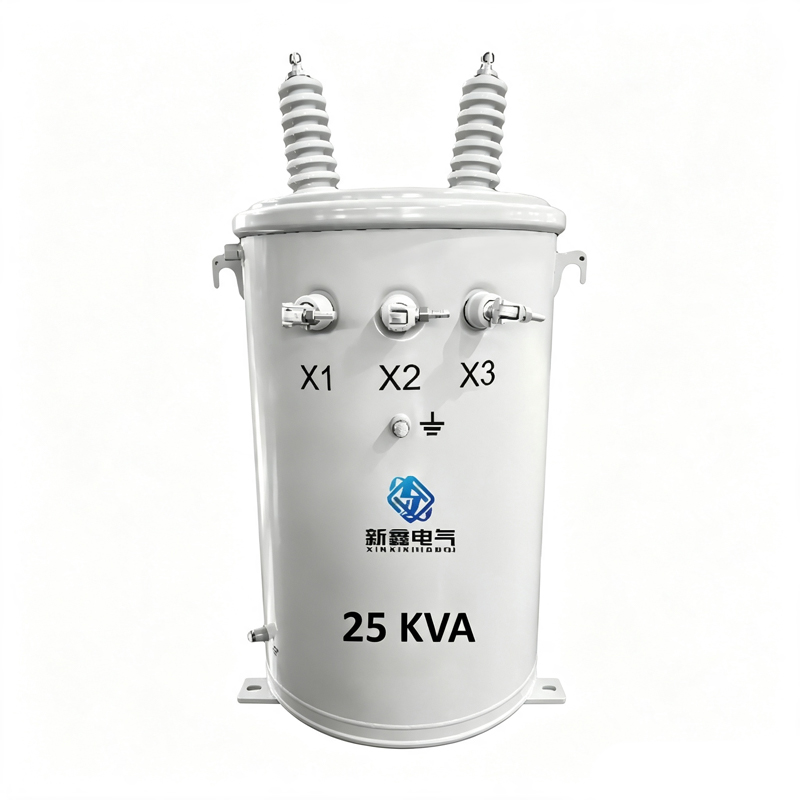 READ MORESingle Phase Pole Mounted Transformer
-
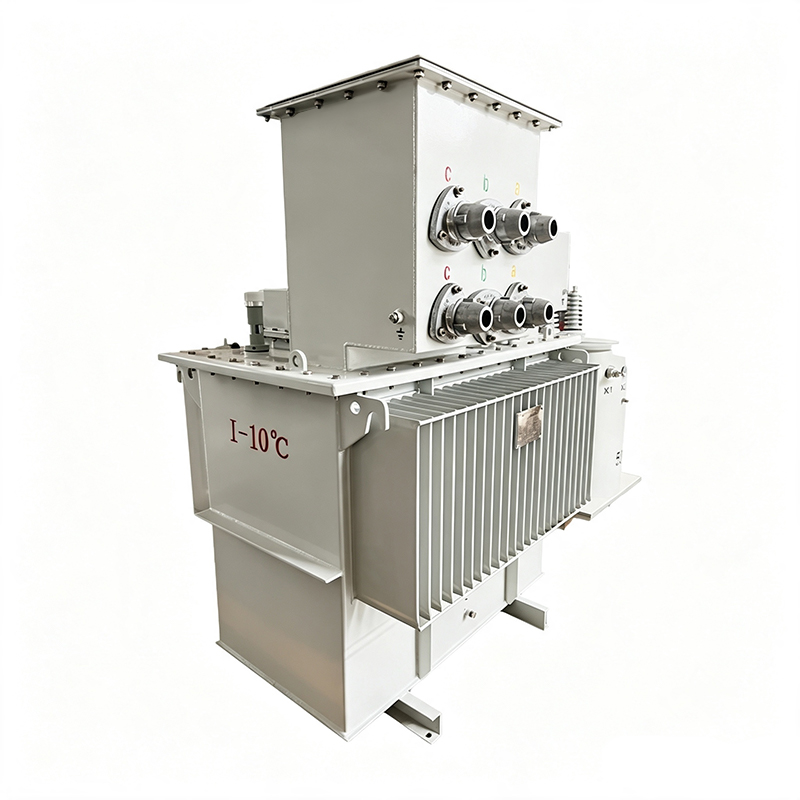 READ MORES-MD Series Underground Oil Immersed Transformer
-
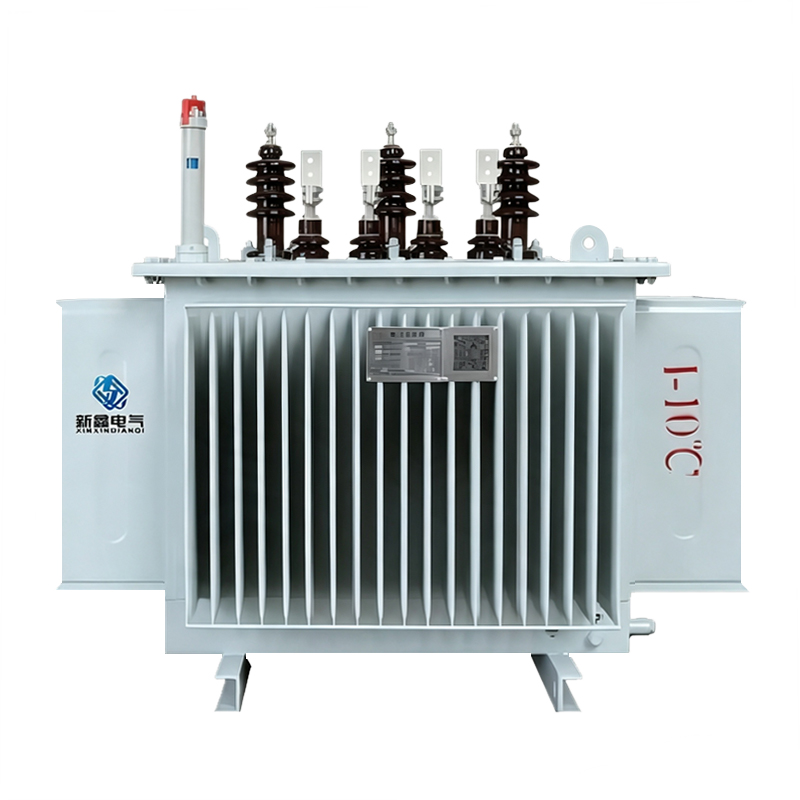 READ MORES Series Oil immersed Transformer
-
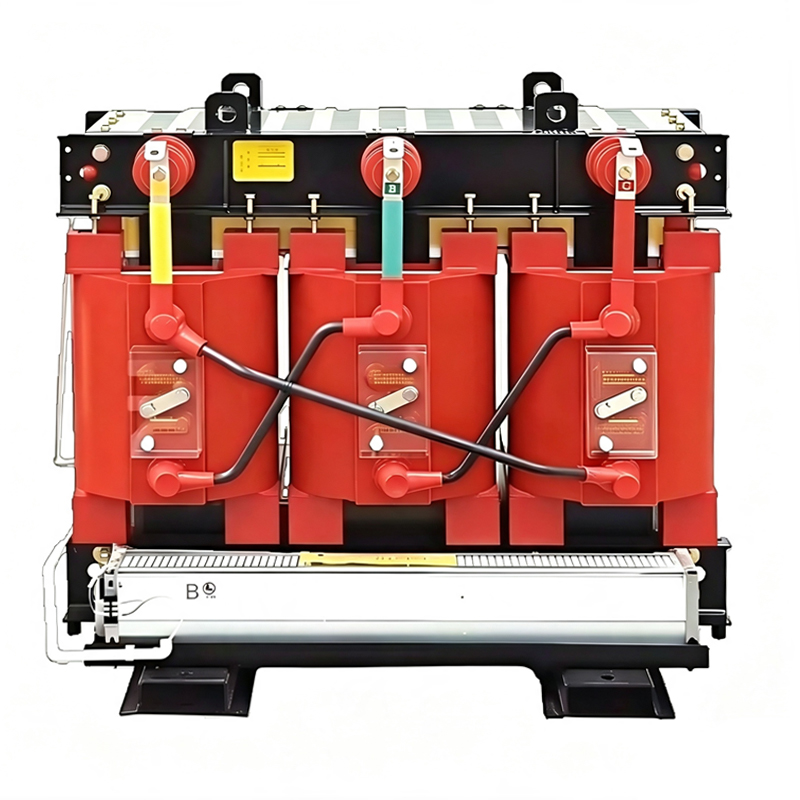 READ MORESC(B)H Series Amorphous Alloy Dry Type Transformer
-
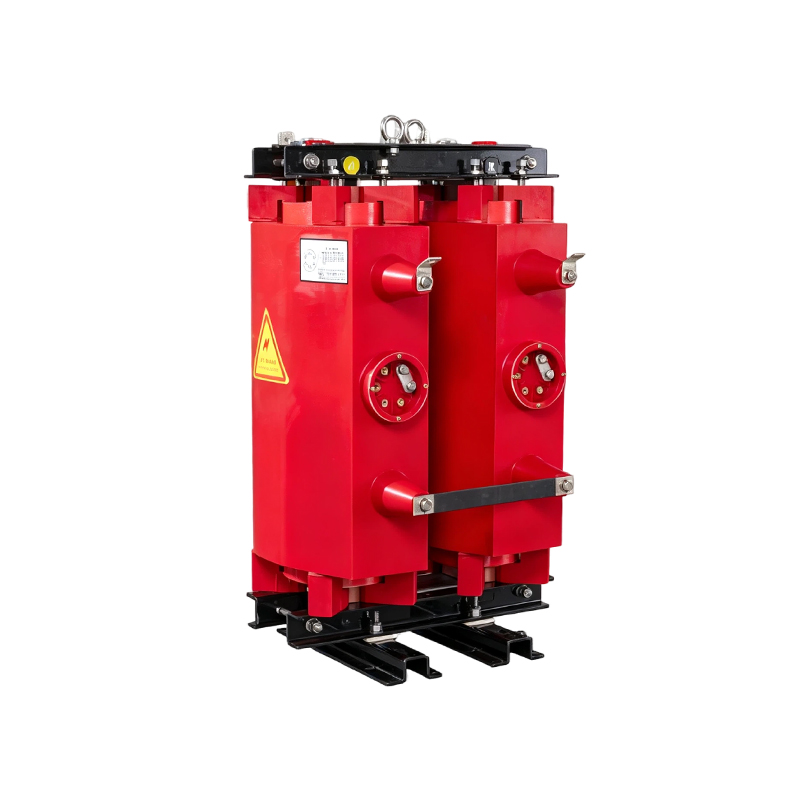 READ MOREDC Series Single Phase Dry Type Transformer
-
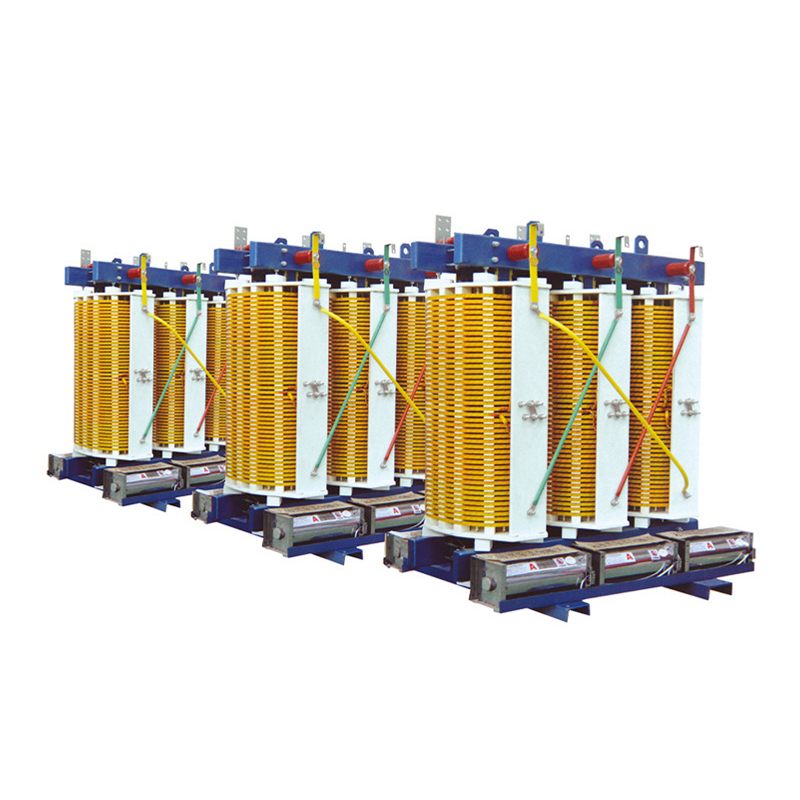 READ MORESG(B) Series Non-Encapsulated H Class Dry Type Transformer
-
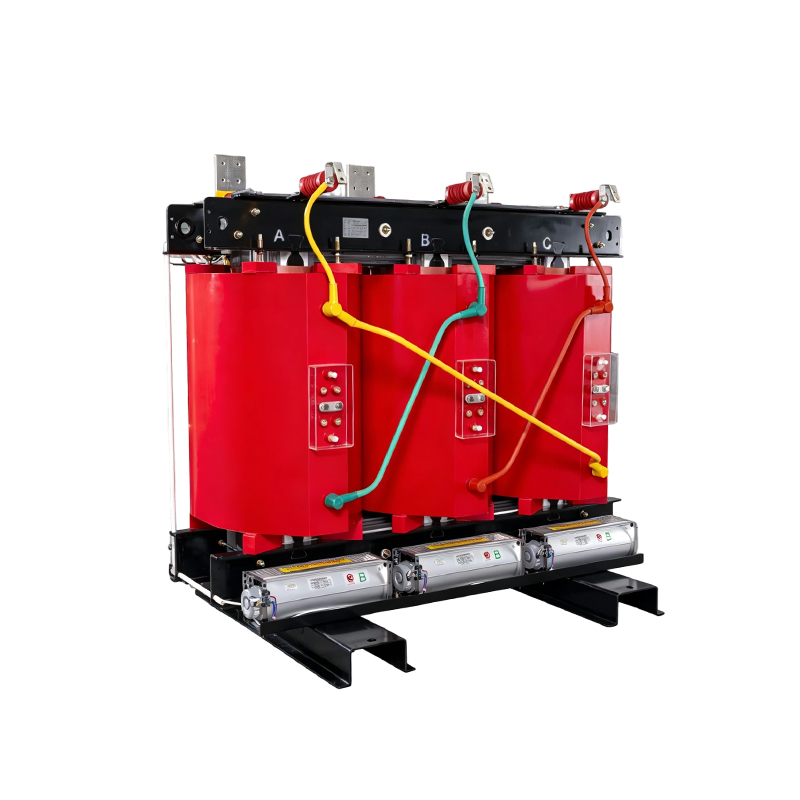 READ MORESC(B) Series Epoxy Resin Cast Dry-Type Transformer
Discuss Your Power Solutions
Whether you are an EPC contractor, electrical equipment distributor or project buyer,
you can send us
your technical parameters, drawings or purchasing requirements.
-

-
Product Categories
Dry Type Transformers Oil Immersed Transformers Substations -
Quick Links
Home Projects Manufacturing & Quality About Us News Contact Us -
Contact Us

Email: xinxin@xinxinelectric.com

Mobile: +86-13852525108

Telephone: +86-514-85811000

Whatsapp: +86-19707679478

No. 6-6, Kangmin Road, Yizheng City, Yangzhou, Jiangsu Province, China.
